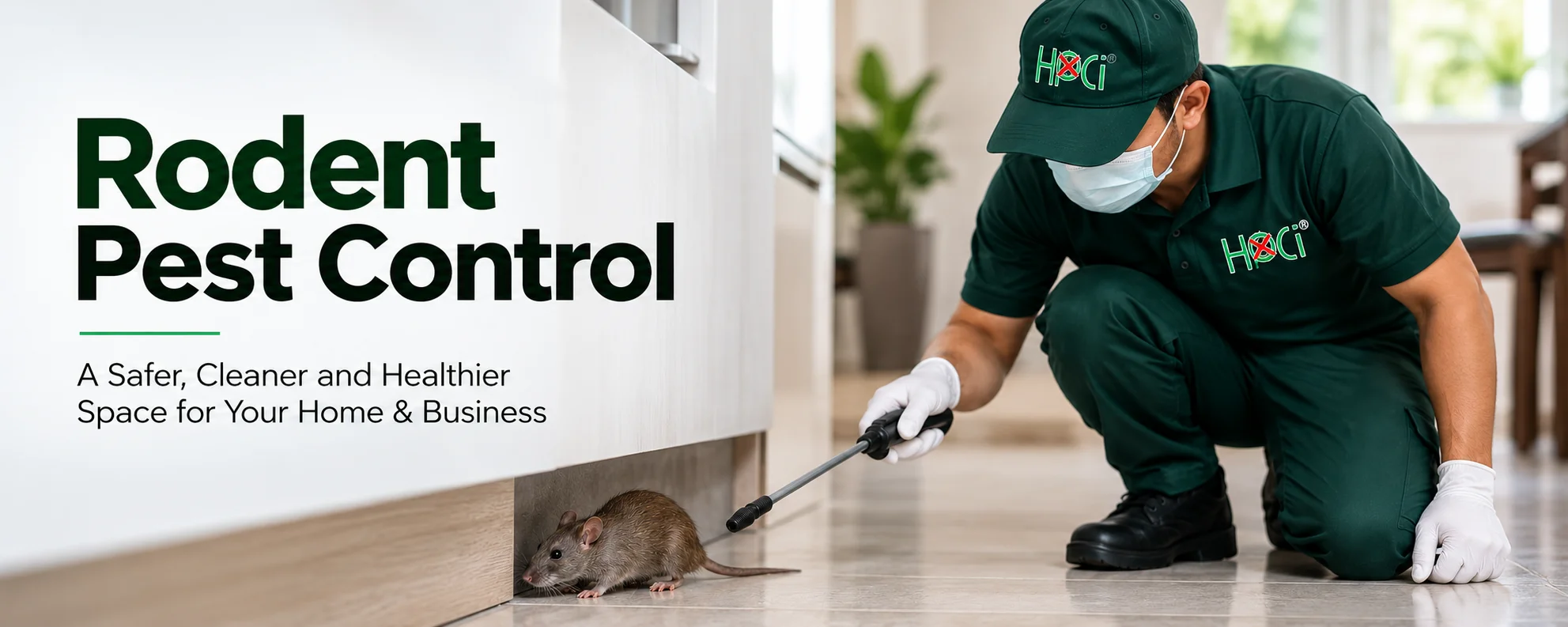
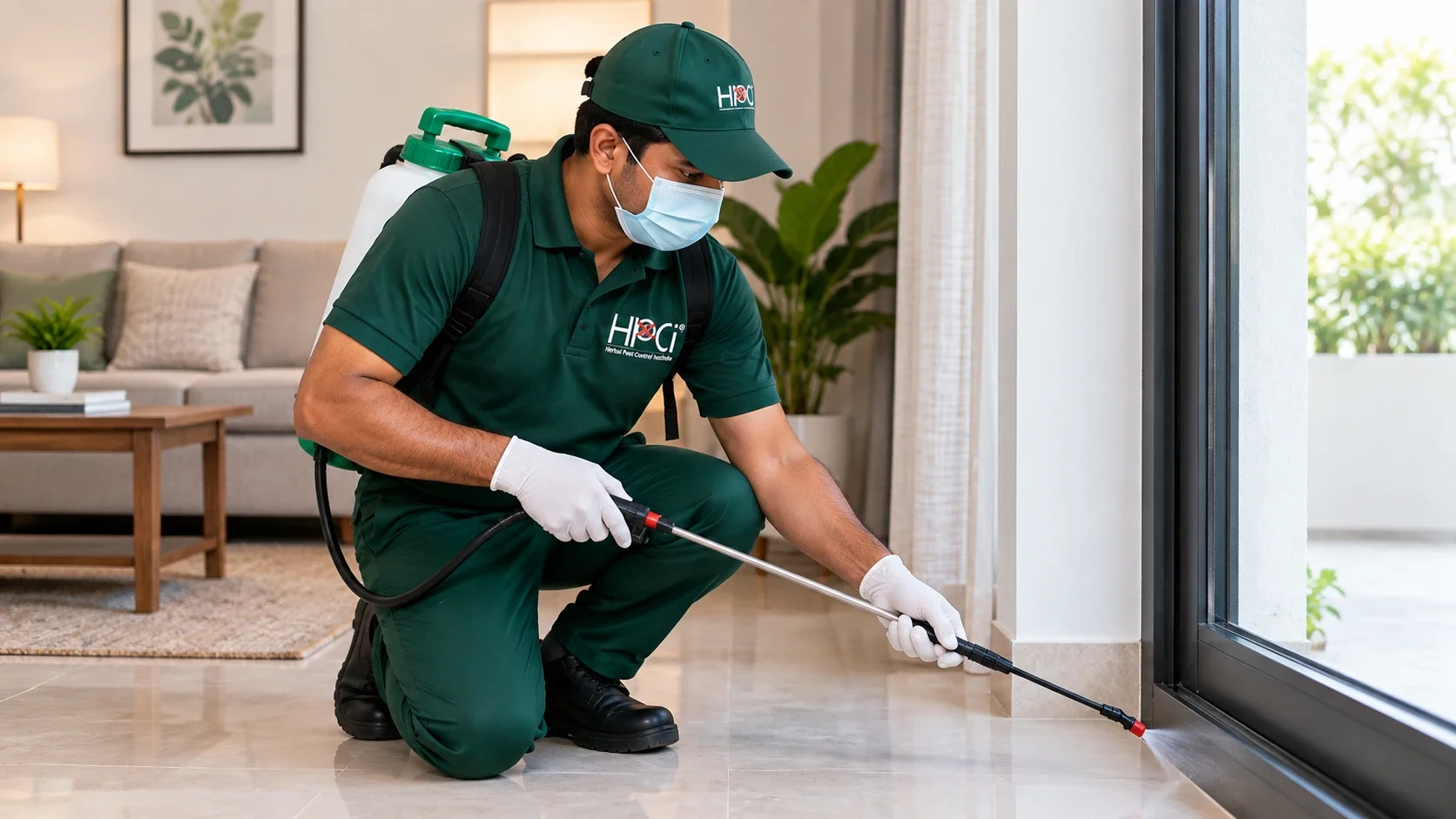
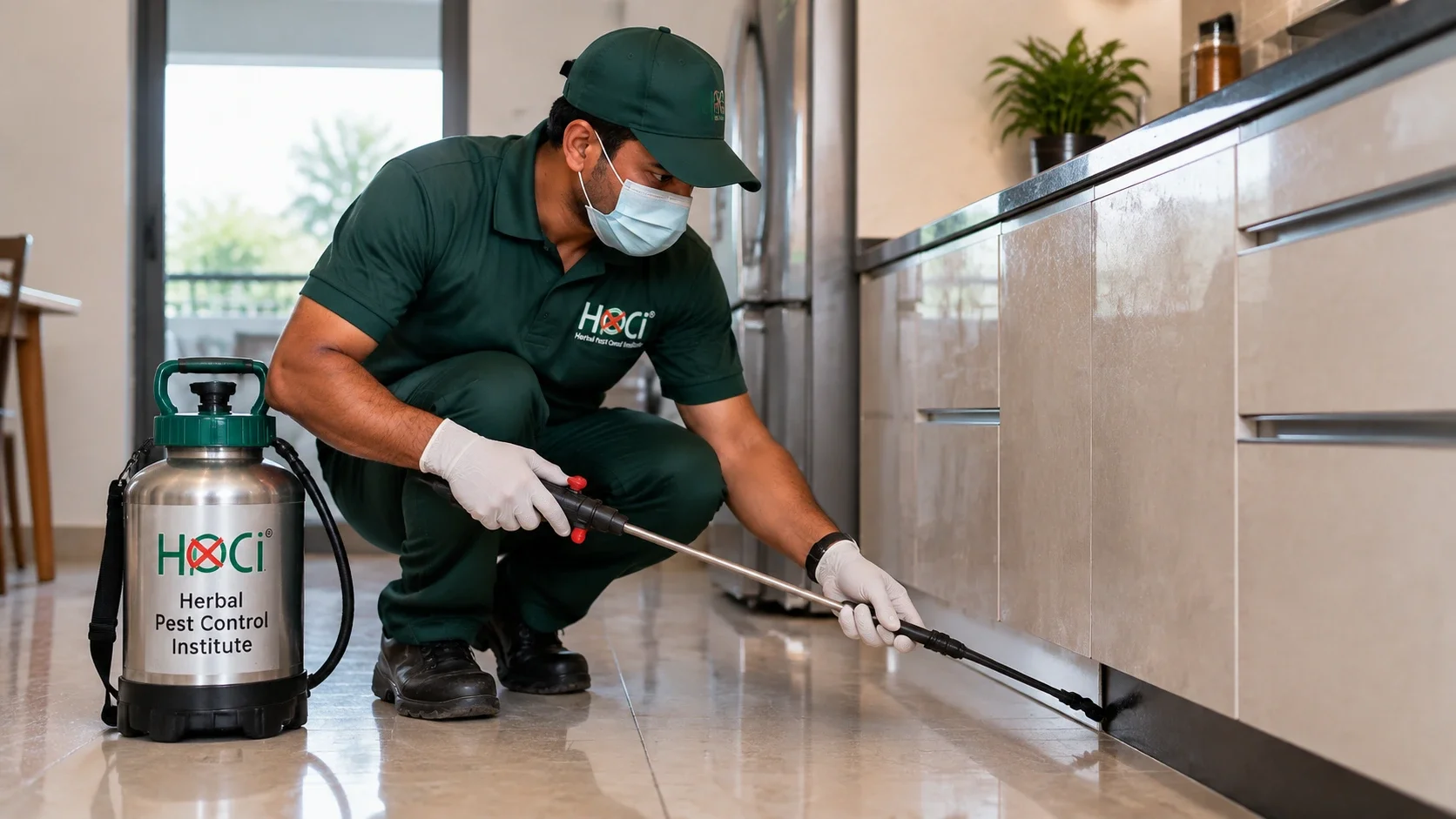
Looking for rodent pest control? Learn how to identify rats and mice, understand treatment methods, prevent infestations, and protect your property.
When a customer tells us, “We saw a rat once, but now we are finding droppings every morning,” we know the concern is usually bigger than that one sighting. People want to know where the rodents are coming from, whether they have made a nest inside the property, whether their food or belongings are at risk, and most importantly, how to stop the problem from returning.
At Herbal Pest Control Institute, we approach rodent pest control by looking beyond the rodent that a customer happens to see. From our practical experience handling pest concerns for residential and commercial properties, we have found that understanding the source of rodent activity is an important part of effective control. Food availability, waste, moisture, clutter, drainage areas, and small openings around a building can all contribute to the problem.
Whether you are dealing with rats in your kitchen, mice around stored goods, or recurring rodent activity in a commercial property, this guide explains what you should look for, why rodents enter buildings, how professional control works, and what you can do to reduce the chances of a repeat infestation.
Herbal Pest Control Institute serves customers through its branches in Nagpur, Indore, and Raipur, helping property owners understand and manage common pest problems with practical, property-specific approaches.
What Is Rodent Pest Control?
Rodent pest control involves identifying, controlling, and preventing unwanted rodents such as rats and mice from occupying a property.
In our experience, effective rodent management is rarely just about removing the animal that is visible. A customer may see a rat near the kitchen, while the actual access point could be somewhere else—around a pipe, drain, door gap, storage area, roof space, or another opening.
That is why we look at several factors when assessing a rodent problem:
- Where rodent activity has been noticed
- Signs of movement or nesting
- Possible entry points
- Availability of food and water
- Storage and waste conditions
- Areas where rodents can remain hidden
- Previous rodent activity
- The type and use of the property
The right approach can therefore vary from one property to another.
A home, restaurant, warehouse, office, shop, or apartment building may all have different reasons for experiencing rodent activity. Treating every property in exactly the same way is not always the most practical approach.
Why Do Rodents Enter Homes and Businesses?
One of the first questions customers ask us is, “Why did rats come into my property when I keep it clean?”
Cleanliness certainly matters, but it is not the only factor.
Rodents are looking for basic necessities such as food, water, shelter, and safe places to move or nest. A property can provide these unintentionally.
For example, a kitchen may have food crumbs behind appliances. A warehouse may have damaged food packaging. A restaurant may have waste stored near an entrance. A residential building may have an opening around a drainage pipe.
None of these situations necessarily mean the property is poorly maintained. However, they can create opportunities for rodents.
Common factors that attract rodents include:
- Uncovered food
- Accessible garbage
- Food residue
- Pet food left outside
- Leaking pipes or taps
- Damp areas
- Open drains
- Cluttered storage spaces
- Cardboard and unused materials
- Gaps around pipes and utility lines
- Openings beneath doors
- Cracks or structural gaps
This is why we encourage customers not to focus only on the location where they saw the rodent. The surrounding property should also be checked.
How Do You Know If You Have a Rodent Problem?
You do not always need to see a rat or mouse to know that rodents may be present.
In many situations, customers first notice indirect signs.
1. Droppings
Rodent droppings may appear near food storage areas, cabinets, corners, behind appliances, along walls, or inside storage spaces.
If you clean the area and fresh droppings appear again, that repeated activity deserves attention.
2. Scratching Sounds
Hearing scratching or movement from a ceiling, wall cavity, cupboard, or storage area can be another warning sign.
These sounds can be particularly noticeable at night when the surroundings are quieter.
3. Gnawing Damage
Rodents have a natural need to gnaw, and customers may discover damage to:
- Food packets
- Cardboard
- Plastic
- Wood
- Furniture
- Stored materials
- Electrical cables
If you repeatedly find unexplained bite marks, investigate rather than assuming it was an isolated incident.
4. Damaged Food Packaging
Small holes in packets of grains, snacks, or other stored food can indicate rodent access.
Food that has been contaminated or damaged by rodents should be handled appropriately rather than consumed.
5. Nesting Material
Rodents may use paper, cardboard, fabric, insulation, and other soft materials to create sheltered nesting areas.
Finding shredded material in an otherwise undisturbed location can be a useful clue.
6. Unusual Odour
Persistent odours in enclosed areas can sometimes accompany rodent activity, particularly where rodents have been repeatedly present.
7. Repeated Sightings
If you have seen rodents more than once, especially in different areas of the property, it is worth investigating the situation rather than waiting for the problem to become more noticeable.
Why Should You Take Rodent Activity Seriously?
A rodent infestation is not simply an unpleasant sight.
Rodents can contaminate areas through droppings, urine, saliva, and physical contact. They can also damage stored products, packaging, building materials, and electrical wiring.
For a household, this can create hygiene and property concerns.
For a business, the consequences can be even more disruptive.
A restaurant, grocery store, warehouse, hotel, or food-related business has to pay particular attention to pest activity because cleanliness and proper storage are directly connected with day-to-day operations and customer confidence.
Our advice to property owners is simple: do not wait for rodent activity to become severe before investigating it.
The earlier you understand the source of the problem, the easier it can be to plan appropriate control and prevention measures.
How We Approach Rodent Pest Control at Herbal Pest Control Institute
At Herbal Pest Control Institute, we believe that rodent management should begin with understanding the property.
A customer may call because they saw a rat, but our attention should also go toward answering questions such as:
Where did it enter?
What is attracting it?
Where could it be hiding?
Are there signs of additional activity?
Could another rodent enter through the same route?
These questions help create a more practical control strategy.
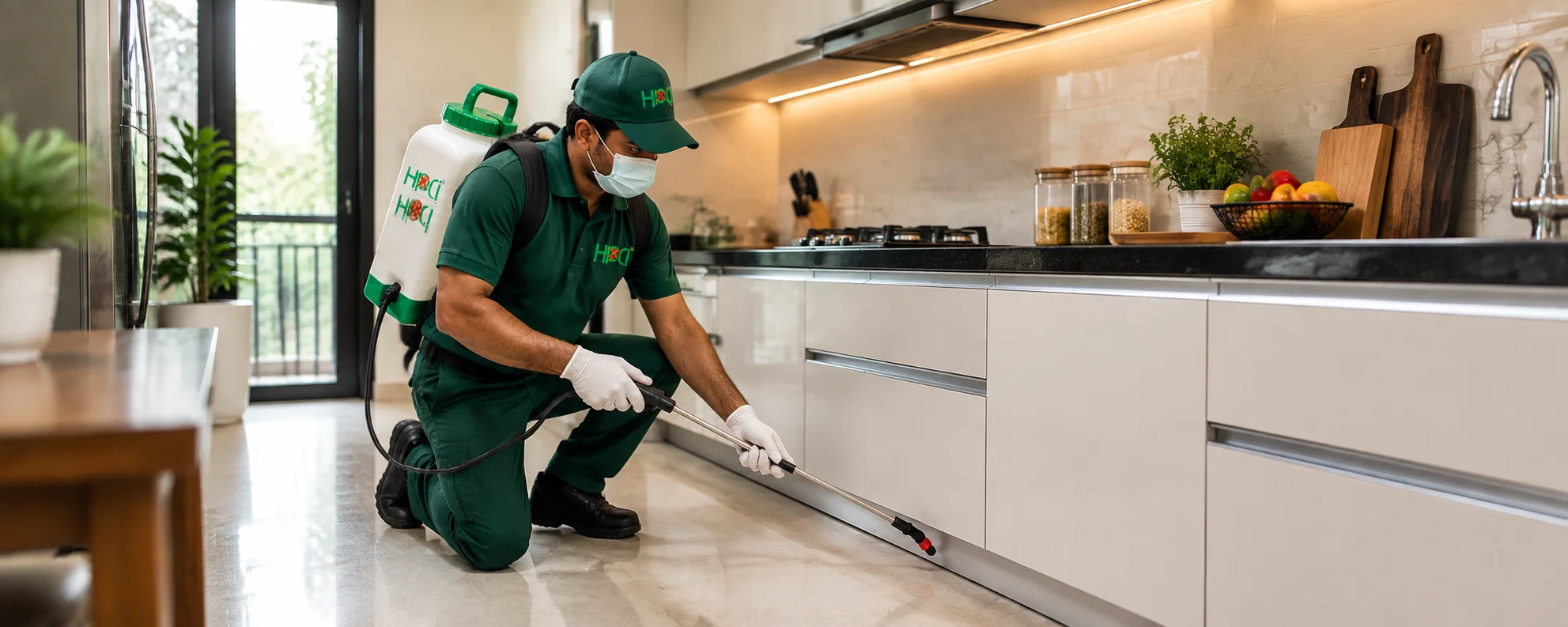
Step 1: Inspect the Property
The first priority is understanding where rodent activity is occurring.
Depending on the property, attention may be given to kitchens, storage areas, utility spaces, garages, drainage points, ceilings, basements, garbage areas, and other likely locations.
Step 2: Look for Entry Points
A rodent may enter through a surprisingly small opening.
We look for possible access routes around:
- Doors
- Pipes
- Drains
- Utility lines
- Walls
- Windows
- Roof areas
- Vents
- Other structural openings
Identifying these areas is important because controlling existing rodents without addressing access routes may leave the property vulnerable to future activity.
Step 3: Identify Food and Shelter Sources
We also consider what could be supporting the infestation.
This may include accessible food, waste, water sources, clutter, or undisturbed storage spaces.
Step 4: Apply Suitable Control Measures
The appropriate control method depends on the property and infestation.
Depending on the circumstances, professional rodent management can involve suitable traps, monitoring methods, baiting systems, exclusion measures, sanitation recommendations, or a combination of approaches.
The goal is to select a method that fits the specific situation rather than treating every property identically.
Step 5: Recommend Prevention Measures
Long-term rodent management should also address the conditions that could allow rodents to return.
This may involve sealing entry points, improving waste storage, protecting food, reducing clutter, correcting moisture issues, and maintaining suitable hygiene practices.
Step 6: Monitor When Required
Some infestations require observation after the initial control measures.
Monitoring can help determine whether rodent activity has reduced and whether further action is necessary.
Why Removing One Rat May Not Solve the Problem
This is one of the most common misunderstandings we encounter.
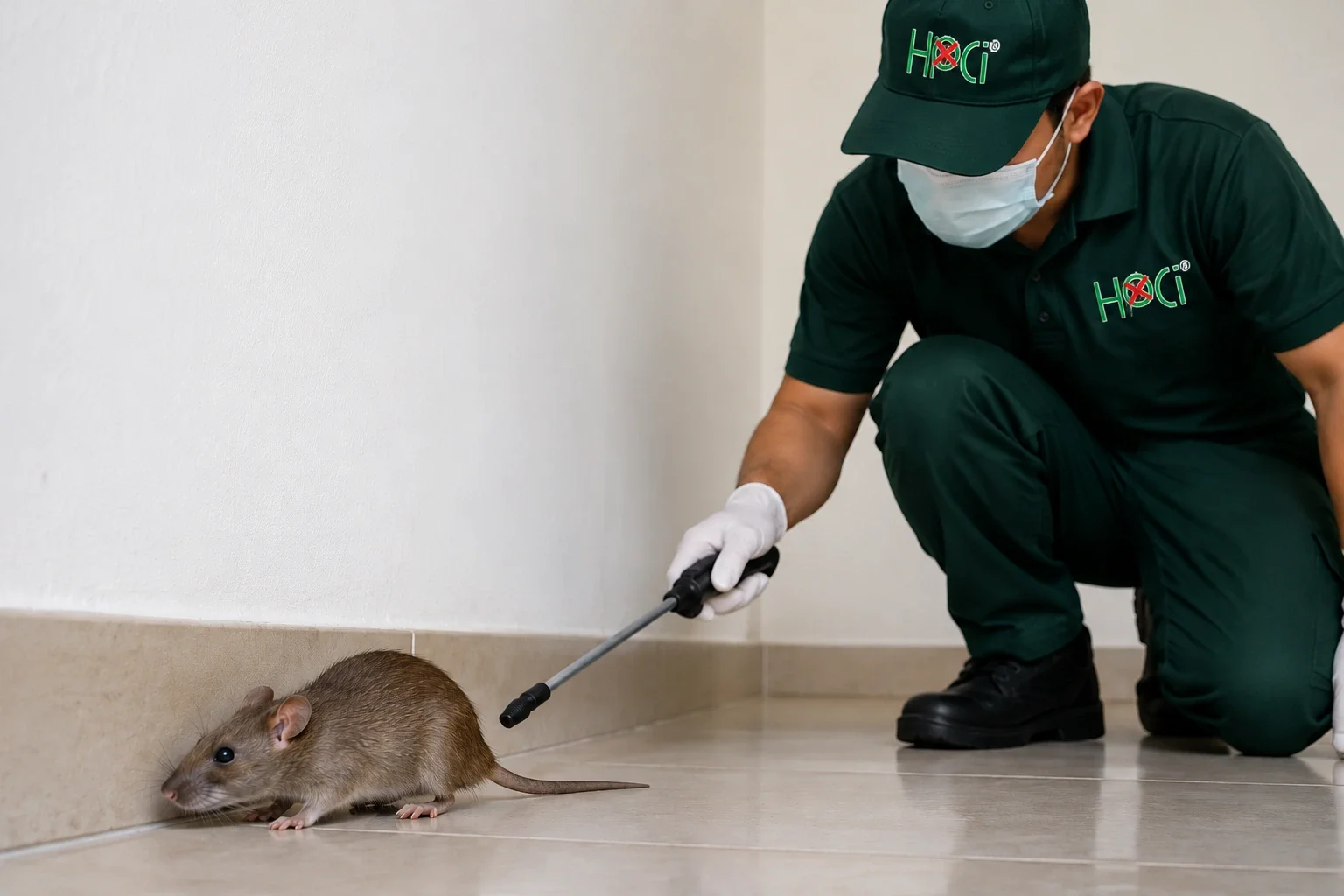
Suppose you see a rat in your kitchen and manage to remove it. It is easy to assume the problem has ended.
But what if that rat entered through an opening beneath the sink?
What if food is accessible behind the refrigerator?
What if another rodent is already using the same route?
The visible rodent is only one part of the problem.
That is why we recommend looking at the source, access points, and surrounding conditions rather than judging the size of an infestation from a single sighting.
Rat Control and Mouse Control: Are They the Same?
Not exactly.
Rats and mice are both rodents, but they differ in size, behavior, movement patterns, and the spaces they can use.
Rats can travel through drains, gaps, storage areas, and other accessible routes. Mice can take advantage of very small openings and may remain hidden close to food and shelter.
Because of these differences, the control strategy should be based on the actual situation found at the property.
Correct identification can help professionals understand the likely behavior and choose appropriate control and monitoring methods.
How Can You Prevent Rodents From Returning?
Professional treatment is only one part of rodent management.
Property owners also have an important role in prevention.
Here are practical measures we recommend to customers.
Store Food Properly
Keep grains, snacks, pet food, and other food products in closed containers.
Avoid leaving food uncovered for long periods, particularly overnight.
Keep Waste Containers Closed
Garbage can provide rodents with an accessible food source.
Use suitable closed bins and dispose of waste regularly.
Inspect Gaps Around the Building
Check areas around:
- Pipes
- Doors
- Windows
- Drains
- Utility connections
- Walls
- Roof spaces
Repair or seal suitable openings where necessary.
Reduce Unnecessary Clutter
Stacks of cardboard, unused boxes, fabric, paper, and other materials can create sheltered spaces.
Keep storage areas organized and inspect them regularly.
Fix Water Leaks
Leaking taps and pipes can create moisture sources.
Address water leaks promptly and keep storage areas as dry as practical.
Maintain Outdoor Areas
Do not allow waste, debris, or unnecessary materials to accumulate close to the building.
Keeping surrounding areas organized can reduce potential shelter and access opportunities.
Rodent Pest Control for Homes
Residential rodent problems can be particularly stressful because people want their living spaces to remain clean and safe for their families.
Common areas where activity may be noticed include:
- Kitchens
- Storerooms
- Garages
- Utility areas
- Behind appliances
- Roof spaces
- Areas around drains
If you notice droppings, gnawing, scratching sounds, or repeated sightings, start by checking nearby food sources and possible entry points.
If signs continue, professional assessment can help identify whether the activity is isolated or part of a wider infestation.
Rodent Pest Control for Shops, Offices and Commercial Properties
Commercial properties require a different level of attention because rodent activity can affect inventory, workplace hygiene, storage, and business operations.
For example, a warehouse may have large quantities of stored materials. A restaurant may have food and waste present every day. A shop may have cardboard packaging and storage areas that provide hiding places.
For businesses, we recommend paying attention to:
- Storage rooms
- Delivery areas
- Garbage zones
- Food storage
- Drains
- Loading areas
- Utility spaces
- Structural gaps
Regular inspection and appropriate monitoring can be particularly useful for properties where rodent pressure is ongoing.
Rodent Pest Control in Nagpur, Indore and Raipur
Rodent problems are not limited to one type of city or property.
At Herbal Pest Control Institute, we serve customers through our branches in Nagpur, Indore, and Raipur.
Whether the concern is a residential kitchen, commercial establishment, storage area, office, shop, or another property, our approach is to understand the conditions contributing to rodent activity before recommending appropriate control measures.
Rodent Pest Control in Nagpur
If you are dealing with rats or mice in your home or business in Nagpur, look for early signs such as droppings, damaged food packaging, gnaw marks, or scratching sounds.
Taking action when these signs first appear can help you investigate the source before the activity becomes more established.
Rodent Pest Control in Indore
For properties in Indore, rodent prevention should include attention to food storage, waste management, drainage areas, structural openings, and storage spaces.
If rodent activity continues despite basic preventive measures, professional assessment can help identify less obvious access or hiding areas.
Rodent Pest Control in Raipur
In Raipur, homeowners and businesses can also reduce rodent risks by protecting food, managing waste, maintaining storage areas, and checking possible building entry points.
Where activity is recurring, a property-specific inspection can provide a clearer understanding of the underlying issue.
When Should You Call a Professional Pest Control Team?
Not every single rodent sighting means you have a major infestation.
However, certain signs should encourage you to take the situation more seriously.
Consider professional assistance if you notice:
- Repeated rodent sightings
- Fresh droppings appearing regularly
- Rodents inside walls or ceilings
- Repeated scratching sounds
- Significant gnawing damage
- Damaged food packages
- Persistent rodent odour
- Multiple areas showing signs of activity
- Recurring infestations
- Rodent activity in a commercial or food-related property
The key is not to panic after seeing one rodent, but also not to ignore repeated evidence.
Why Do Rodent Problems Keep Coming Back?
When customers tell us that they have treated a rodent problem several times, we usually recommend looking at what happens between treatments.
Recurring activity can be associated with conditions such as:
- Unsealed entry points
- Accessible food
- Poor waste management
- Water or moisture sources
- Nearby rodent activity
- Cluttered storage
- Open drainage routes
- Structural gaps
This is why prevention is such an important part of rodent management.
If the conditions supporting rodents remain unchanged, new rodents may continue to find the property attractive.
Common Mistakes Property Owners Make With Rodents
Ignoring the First Signs
Finding a few droppings may seem insignificant, but repeated signs should not be dismissed.
Treating Only the Visible Area
Rodents can move through hidden spaces. The location where you see one may not be where it entered.
Leaving Food Exposed
Even small amounts of accessible food can contribute to pest activity.
Forgetting About Entry Points
A treatment may reduce existing activity, but an open access point can create a pathway for future rodents.
Keeping Excess Cardboard and Clutter
Unused storage materials can provide shelter and nesting opportunities.
Assuming Cleanliness Alone Is Enough
Good hygiene is important, but structural access and surrounding conditions also need attention.
Frequently Asked Questions About Rodent Pest Control
What is rodent pest control?
Rodent pest control is the process of managing unwanted rats and mice through inspection, suitable control methods, monitoring, and prevention measures. Effective management considers not only existing rodents but also the conditions that allow them to enter and remain on a property.
What are the first signs of a rodent infestation?
Common signs include droppings, gnaw marks, damaged food packaging, scratching sounds, nesting material, unusual odours, and repeated rodent sightings.
Can I have rodents even if my home is clean?
Yes. Cleanliness helps reduce accessible food and waste, but rodents can still enter through gaps, drains, pipes, doors, roofs, or other openings. Surrounding environmental conditions can also contribute to rodent activity.
How do I stop rats from entering my house?
Inspect and seal suitable openings around doors, pipes, drains, windows, walls, and utility connections. Store food securely, manage waste properly, reduce clutter, and address water leaks.
How long does rodent pest control take?
The time required varies according to the property, type of rodent, level of activity, access points, and control method. Some situations may require monitoring or follow-up rather than a single treatment.
Can rodents come back after treatment?
Yes. If food, water, shelter, or entry points remain available, rodents can return. Prevention and property maintenance are therefore important after treatment.
Is seeing one rat a sign of an infestation?
Not necessarily. One sighting does not tell you the size of the problem. However, it is a good reason to inspect for additional signs such as droppings, gnaw marks, nesting material, and other activity.
Is professional rodent control necessary for every infestation?
Not every situation is the same. Minor activity may sometimes be addressed through preventive measures, but persistent, recurring, or difficult-to-locate rodent activity is better assessed by a professional pest control team.
Our Practical Advice to Property Owners
After working with customers who experience pest problems, one lesson remains particularly important: do not focus only on the pest you can see.
If you see a rat, ask why it was able to enter.
If you find droppings, check whether they are appearing repeatedly.
If food has been damaged, inspect the surrounding storage area.
If treatment has worked temporarily but the problem returns, look for the conditions that have remained unchanged.
This way of thinking can help you move from simply reacting to rodent sightings toward managing the factors that support rodent activity.
At Herbal Pest Control Institute, our role is to help customers understand that process and choose appropriate pest-control measures based on their property's situation.
Conclusion
A rodent problem can start with something that appears minor—a single sighting, a few droppings, or a chewed food packet. But these signs can tell you that rodents have found a way to access food, water, shelter, or a suitable hiding place.
Effective rodent pest control should therefore go beyond removing the rodent you happen to see. It should involve understanding the property, identifying possible entry points, assessing conditions that support rodent activity, applying suitable control measures, and taking practical steps to reduce the chances of recurrence.
At Herbal Pest Control Institute, we focus on this practical approach because every property can have different conditions behind its pest problem. Our teams serve customers through our branches in Nagpur, Indore, and Raipur, helping residential and commercial property owners address rodent concerns and understand the preventive measures that can support long-term pest management.
If you are noticing repeated droppings, gnawing, scratching sounds, damaged food packaging, or rodent sightings, don't wait until the problem becomes difficult to manage. Start by identifying the signs and possible access points, and seek a professional assessment when the activity persists or keeps returning.
The goal of rodent management is not simply to deal with what you see today. It is to understand why rodents are getting in—and what can be done to make your property less suitable for them in the future.
For professional pest-control assistance, you can learn more about Herbal Pest Control Institute and its services across Nagpur, Indore, and Raipur through our official website.