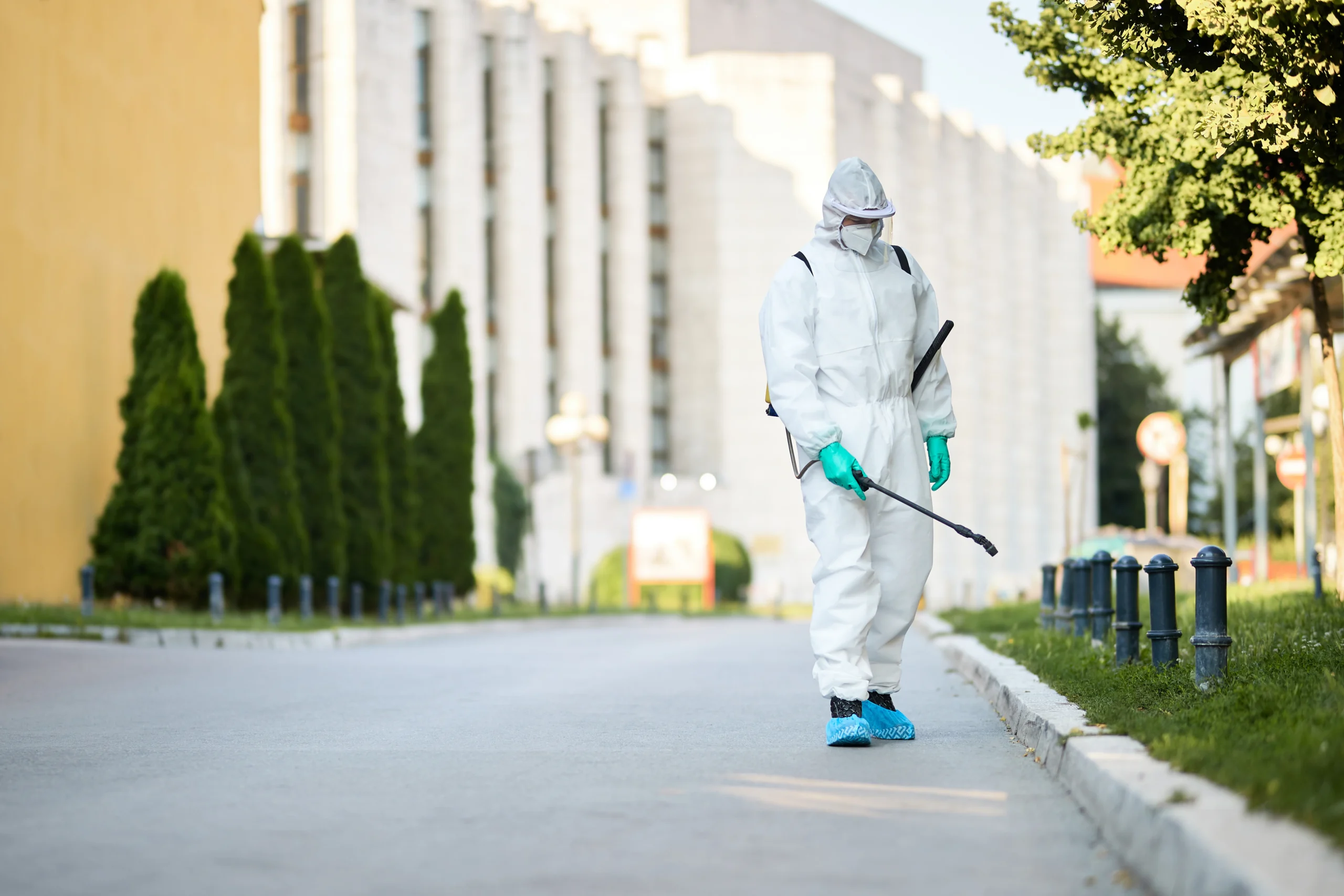
Stop Rat Infestation with Professional Rodent Control
Stop rat infestation today with professional rodent control. Get safe, effective pest control solutions to protect your home from rats...
Read More → 
 Saurabh Thote
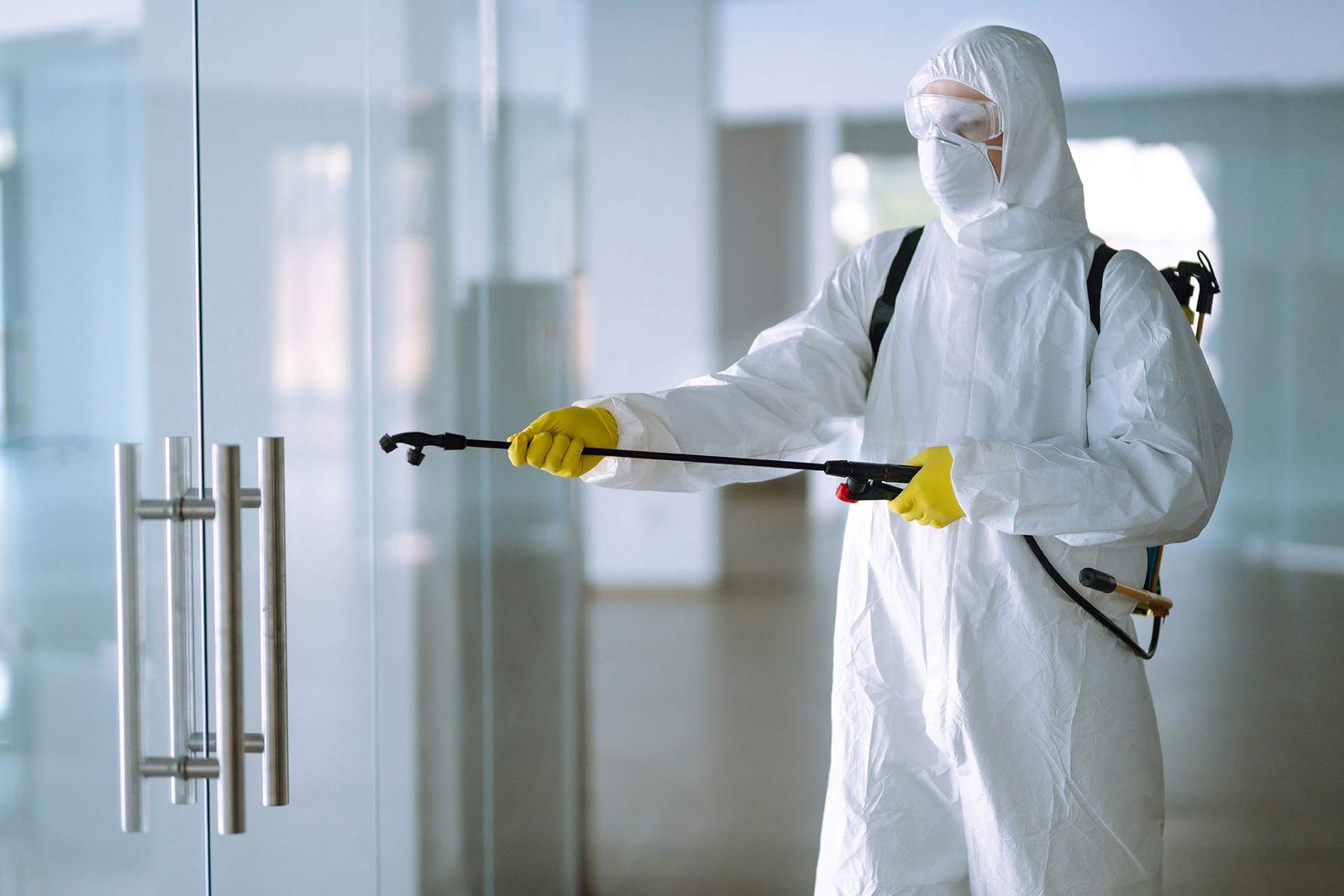
Professional Commercial Pest Solutions for offices, industries and businesses. Safe, effective and long-lasting pest control treatments. Book your inspection today.
A business cannot run smoothly when pests are a constant problem. Whether it’s cockroaches inside a restaurant kitchen, rodents in a warehouse, termites damaging office furniture or flies hovering around a showroom—pests immediately affect hygiene, safety and brand reputation. Customers notice these issues instantly, employees feel uncomfortable, and regulatory bodies take them seriously.
Commercial spaces face unique pest challenges compared to homes. While residential pests usually come from damp corners or food scraps, commercial pests often come from structural gaps, open loading zones, drainage lines, supply chains, industrial waste and high foot traffic. This is why every business needs Commercial Pest Solutions designed specifically for corporate environments.
In this comprehensive guide, you’ll learn how commercial pest control works, why it’s essential for modern businesses, and what steps help maintain a pest-free workplace year-round.

Whether you manage a restaurant, mall, warehouse, hotel, school or factory, pests can disrupt operations within days. Here’s why commercial pest control services are more important than ever:
One pest sighting can damage years of goodwill. Customers immediately lose trust when they see cockroaches, ants or rodents inside a food outlet, office or hotel.
Industries, especially food, pharma and hospitality, must follow strict hygiene standards. Failing to control pests can lead to legal warnings, penalties or temporary shutdowns.
Termites can weaken wooden furniture, while rodents chew electrical wires, causing fire risks. Pests also damage inventory, especially in warehouses and retail stores.
Pests spread allergens and infections. A clean, pest-free environment creates a safer workspace and reduces sick days.
Pest damage can destroy goods, contaminate food, reduce productivity and increase maintenance costs. Preventive pest control helps businesses avoid bigger losses.
Pest complaints from customers or employees can interrupt operations. Professional pest control ensures smooth business functioning.
Different industries face different types of pest issues. Understanding them helps choose the right treatment.
Found in restaurants, office kitchens, canteens, hospitals and malls. They spread germs and multiply quickly.
Common in warehouses, factories, storage rooms and supermarkets. They contaminate food, chew wires and damage packaging.
Often found in offices, showrooms, furniture workshops, schools and corporate buildings. They damage wood silently.
A big issue in restaurants, hotels, bakeries and food processing units. They carry infections and create hygiene problems.
Seen in offices, schools, IT parks, canteens and retail stores. They attack food storage and electrical areas.
A problem for outdoor factories, warehouses and open commercial areas. They cause discomfort and health risks.
Common in hotels, lodges and PG accommodations. They spread fast through bedding and luggage.
A well-planned commercial pest control strategy targets each type of pest based on its behavior and entry point.
Every business experiences pest issues, but some industries need stronger systems due to hygiene sensitivity, customer interaction or storage needs.
Oil, food scraps and moisture attract pests. Cockroach control and rodent prevention are mandatory.
Guest rooms, kitchens, laundry rooms and dining areas require strict pest monitoring.
Stored goods attract rodents, termites and insects. Inventory loss is a major risk.
Open structures and machinery create warm, hidden spaces for pests.
Canteens, washrooms and storage areas need continuous pest protection.
Pantry zones, furniture and washrooms require preventive pest programs.
Cleanliness and hygiene are crucial—zero tolerance for pests.
Food shelves, storage areas and packaging attract pests easily.
Professional commercial pest control follows a step-by-step approach to ensure long-lasting results.
Experts examine the entire commercial property, including:
Inspection helps identify pest hotspots and vulnerabilities.
Every business is different. Treatment plans consider:
For example, a restaurant needs kitchen-safe gel and herbal spray, while a warehouse may need rodent bait stations and termite barriers.
Modern commercial pest control services use:
These products are safe for indoor business environments.
Commercial pest control requires ongoing reporting, which includes:
This is crucial for audit-ready industries like food manufacturing and hospitality.
Businesses require year-round pest protection, not one-time treatment.
AMC includes:
Most successful companies rely on yearly AMCs to remain pest-free.
Benefits of Choosing Professional Commercial Pest Solutions
Trained professionals use products approved for commercial environments.
Preventing pest issues avoids product loss, repairs and shutdown costs.
Professionals provide industry-specific advice for better hygiene practices.
Technicians perform treatments during off-hours so business isn’t interrupted.
Essential for HACCP-certified units, FSSAI-regulated places, and hospitality.
Commercial pest control companies provide warranties, follow-ups and inspections.
Pest issues are particularly dangerous for:
Sectors like these need strict pest control because pest contamination can ruin entire batches of food products.
Solutions include:
Following HACCP guidelines helps ensure food safety.
Office environments look clean, but pests still find ways to hide.
Main problem areas include:
Solutions include:
A pest-free office improves employee comfort and reduces complaints.
Large spaces attract rodents, termites and insects due to open structures and stored goods.
Services commonly used:
This prevents product contamination and loss.
A professional company should offer:
Look for a provider with experience handling industrial and commercial clients.
Commercial spaces constantly attract pests due to:
Only regular, scheduled services can keep pests from returning.
These habits help maintain a pest-free environment between services.
Pests can damage your brand, your products, your property and your customer relationships. Whether you run a small shop or a large industry, investing in Commercial Pest Solutions ensures a safe, clean and professional business environment.
If you’re looking for reliable commercial pest control or long-term commercial pest control services, now is the right time to schedule a professional inspection. A pest-free workplace leads to smoother operations, better customer trust and healthier working conditions.
Your business deserves strong, safe and lasting protection.
How often should commercial pest control be done?
Most businesses need monthly or quarterly services.
Is commercial pest control safe during office hours?
Yes. Odorless and herbal treatments allow safe application during working hours.
Do commercial kitchens require special pest control?
Absolutely. They follow stricter hygiene rules and need food-safe treatments.
Can warehouses be treated for rodents?
Yes. Bait stations and traps are installed for continuous rodent monitoring.