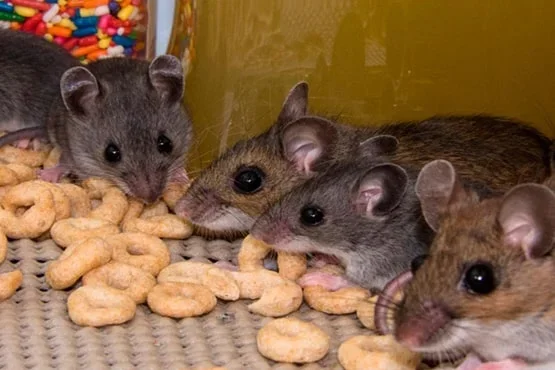
Stop Rat Infestation with Professional Rodent Control
Stop rat infestation today with professional rodent control. Get safe, effective pest control solutions to protect your home from rats...
Read More → 
 tech.herbalpestcontrol@gmail.com
Ant prevention is one of the most important steps in keeping your home clean and hygienic. Ants may seem small and harmless, but they can quickly turn into a major problem if ignored. They invade kitchens, contaminate food, and create nests inside walls, making them difficult to remove later.
Many homeowners struggle with recurring ant infestations because ants are highly organized insects. Once they find food and water, they leave scent trails for other ants to follow. This is why early ant prevention is the best solution. With proper cleaning habits, natural remedies, and smart pest control strategies, you can stop ants from entering your home.
Ant infestations can grow quickly. A few ants searching for food can lead to hundreds entering your home within days. Ants can:
Contaminate food and cooking areas
Cause structural damage by nesting in walls
Spread bacteria and germs
Create long-lasting infestations
Proper ant prevention protects your home, family health, and food safety.
Ants usually enter homes searching for three main things: food, water, and shelter. Understanding these causes helps prevent ants in home environments.
Common causes include:
Food crumbs left on kitchen counters
Open sugar or snack containers
Leaking pipes and moisture areas
Cracks and gaps in walls or windows
Garbage bins without lids
Removing these attractants plays a major role in effective ant control tips.

Kitchen cleanliness is the first and most effective step in ant prevention. Ants are attracted to sugar, grease, and leftover food particles.
Simple cleaning habits include:
Wiping kitchen counters after meals
Cleaning spilled food or liquids immediately
Washing dishes daily
Keeping sinks clean and dry
These small actions significantly reduce ant attraction.
Improper food storage often invites ants. Ants can easily detect food from long distances.
Effective storage tips include:
Using sealed containers for grains and snacks
Keeping fruits refrigerated
Avoiding open food packets
Storing pet food in covered containers
Proper food storage is a key method to prevent ants in home kitchens.

Ants often enter through small cracks and gaps. Even tiny openings can allow ants to build trails and nests.
Preventive sealing methods include:
Closing cracks in walls and floors
Repairing broken window seals
Fixing door frame gaps
Checking plumbing entry points
Blocking these entry routes helps strengthen long-term ant prevention.

Natural remedies are safe, affordable, and effective for controlling ants without harmful chemicals.
Popular natural ant prevention methods include:
Spraying vinegar solution near entry points
Using lemon juice to break scent trails
Sprinkling cinnamon powder around windows and doors
Using peppermint oil as a natural repellent
These eco-friendly techniques are widely used in kitchen ant prevention.
Moisture control tips include:
Repairing leaking pipes immediately
Keeping sinks dry
Cleaning drain openings regularly
Avoiding standing water near kitchen appliances
Managing moisture plays a major role in pest control for ants.

Routine inspection helps detect ant activity early. Early action prevents major infestations.
Inspection habits include:
Checking pantry shelves weekly
Inspecting kitchen corners and cabinets
Monitoring ant trails near walls
Scheduling preventive pest inspections
Regular monitoring supports long-term ant control tips.
Early identification helps prevent serious infestations. Common warning signs include:
Visible ant trails on kitchen surfaces
Small piles of dirt near walls or floors
Ants around food storage areas
Increased ant activity during warm seasons
If these signs appear frequently, stronger pest control for ants may be required.
Many homeowners prefer natural pest control solutions because they offer:
Safety for children and pets
Environment-friendly protection
Cost-effective prevention
Easy application at home
Natural methods are excellent for regular maintenance and prevention.
Sometimes home remedies are not enough. Professional pest control becomes necessary when:
Ant infestations return repeatedly
Ant nests exist inside walls or flooring
Large colonies are present
DIY prevention methods fail
Professional services provide targeted treatments, identify hidden nests, and offer long-term prevention plans.
Ant activity increases during warmer and rainy seasons. To reduce infestation risks:
Increase cleaning frequency
Use natural repellents weekly
Inspect food storage regularly
Monitor moisture areas
Seasonal prevention helps maintain a pest-free home.
Ants can quickly become a major household nuisance if ignored. Practicing proper ant prevention through cleaning, food storage, sealing entry points, and using natural repellents helps protect your home effectively.
Early prevention saves time, reduces stress, and prevents costly infestations. If ants continue to appear despite preventive efforts, professional pest control for ants can provide reliable and long-lasting solutions.
Maintaining simple hygiene habits and regular inspections ensures your home stays safe, clean, and ant-free.
Ants are attracted to food crumbs, moisture, and easy entry points such as cracks or gaps.
Yes, natural remedies like vinegar, lemon, and essential oils help repel ants when used regularly.
Weekly inspection of kitchens, pantry areas, and entry points helps detect ant activity early.