Stop Rat Infestation with Professional Rodent Control
Stop rat infestation today with professional rodent control. Get safe, effective pest control solutions to protect your home from rats...
Read More → 
 tech.herbalpestcontrol@gmail.com
Ants in the kitchen can be frustrating and unhygienic. They appear suddenly, crawl over food, and spread quickly if ignored. Many people experience this problem during warmer seasons or when small food crumbs are left uncovered. Kitchen ants prevention is the best way to stop the problem before it grows into a serious infestation.
A kitchen attracts ants because it provides food, water, and shelter. The good news is that preventing ants is possible with the right habits and smart pest control methods. This guide explains practical, safe, and natural ways to keep ants away from your kitchen.
Ants usually enter homes in search of food and moisture. Even a tiny crumb or drop of syrup can attract them. Once ants find food, they leave scent trails that help other ants follow the same path.
Common reasons ants appear in kitchens include:
Open food containers
Moist sinks and leaking pipes
Dirty dishes left overnight
Cracks and gaps in walls or windows
Understanding these causes is the first step in prevent ants in kitchen problems.

Cleanliness is the most important step in kitchen ants prevention. Ants are attracted to sugar, grease, and leftover food particles. Wiping surfaces regularly removes the food sources ants rely on.
Wipe counters after cooking and eating
Clean spilled juice, honey, or oil immediately
Wash dishes without delay
Keep sinks dry after use
Following these kitchen ant control tips reduces the chance of ants finding food inside your kitchen.

Improper food storage is one of the biggest reasons ants enter homes. Ants can easily reach open food packets or uncovered fruits.
Use airtight containers for grains and sugar
Store snacks in sealed jars
Keep fruits inside the refrigerator when possible
Avoid leaving food uncovered on countertops
These simple changes are powerful natural ant prevention kitchen solutions.

Ants often enter kitchens through tiny cracks or gaps. Even small openings allow ants to form trails and create nests inside walls.
Seal wall cracks and window gaps
Repair broken tiles and flooring
Fix loose plumbing areas
Check door frames for openings
Blocking entry points helps control ants before they enter, making it one of the most effective ant pest control kitchen methods.

Many people prefer eco-friendly ant control methods because they are safe for families and pets. Natural repellents help keep ants away without harmful chemicals.
Lemon juice near entry points
Vinegar spray on countertops
Cinnamon powder around windows and doors
Peppermint oil mixed with water as spray
These methods break ant scent trails and prevent them from returning.

Fix leaking pipes immediately
Keep sink areas dry
Clean drain openings regularly
Avoid standing water in kitchen trays
Reducing moisture is an important part of kitchen ants prevention.
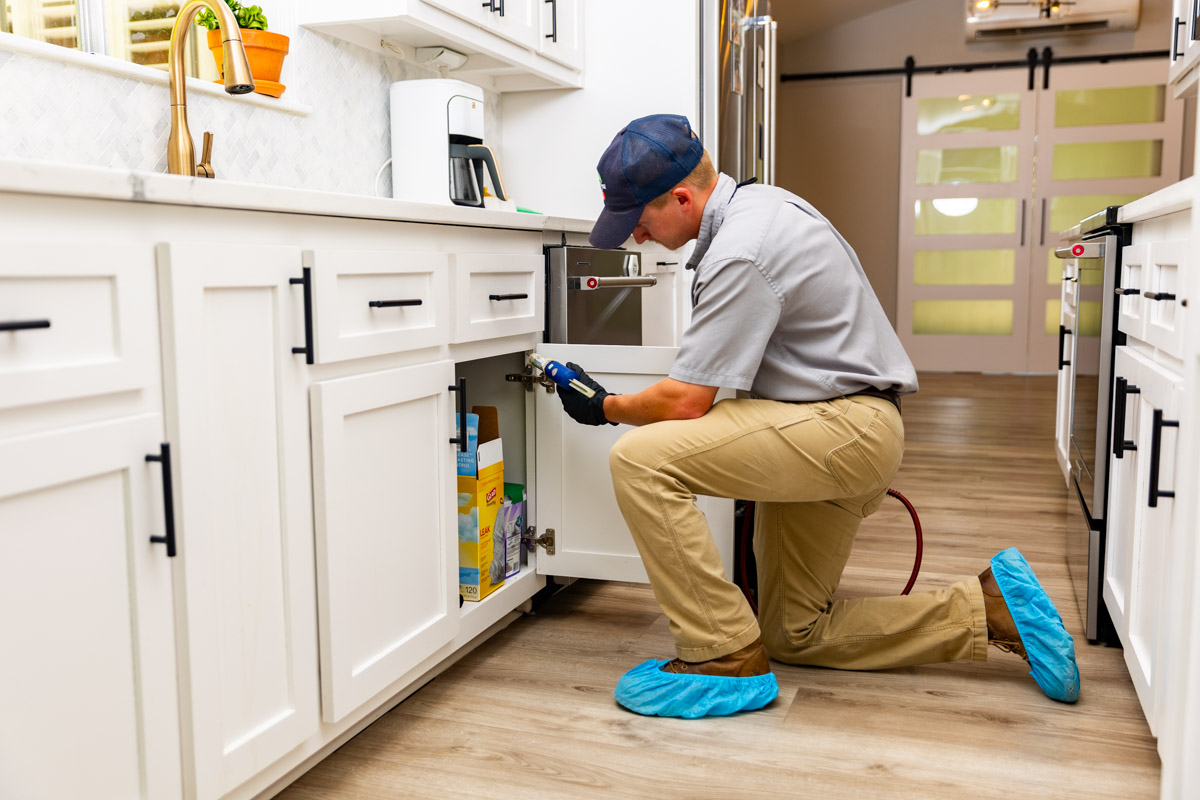
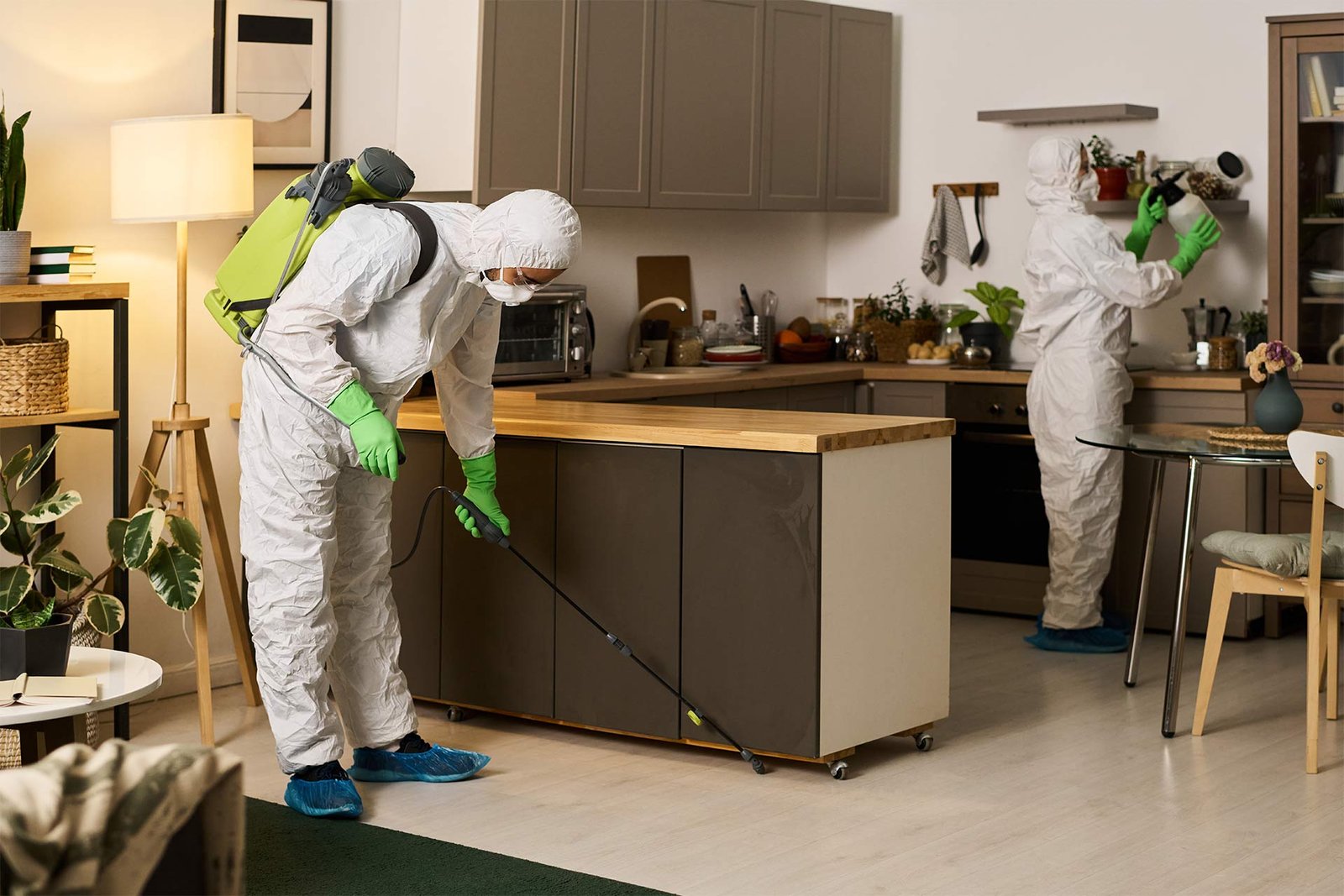
Sometimes ants build nests deep inside walls or floors. In such cases, home remedies may not work. Professional pest control services identify hidden nests and remove the root problem.
Professional services provide:
Safe and targeted treatment
Long-term prevention plans
Eco-friendly solutions
Inspection of hidden ant colonies
Professional help is useful when ant infestation becomes difficult to control.
Many households unknowingly invite ants due to small mistakes. Avoid these habits:
Leaving pet food uncovered
Keeping garbage bins open
Ignoring small spills
Storing food in paper or open plastic packets
Avoiding these mistakes helps strengthen kitchen ants prevention.
Ant activity increases during summer and rainy seasons. During these periods:
Inspect kitchen corners frequently
Use natural repellents weekly
Maintain strong cleaning habits
Check food storage regularly
Seasonal care helps prevent sudden ant infestations.
Choosing natural prevention methods offers many advantages:
Safe for children and pets
Environment-friendly
Cost-effective
Easy to apply regularly
Natural solutions support long-term pest prevention without health risks.
Ant prevention depends on cleaning habits and environmental conditions. Regular maintenance usually keeps kitchens ant-free for several months. However, professional inspection once or twice a year helps maintain stronger protection.
Ants in the kitchen are annoying but preventable. Practicing kitchen ants prevention through proper cleaning, food storage, sealing entry points, and using natural repellents helps protect your home from infestations.
If ants continue to appear despite home remedies, professional ant pest control kitchen services provide long-lasting and safe solutions. Taking early action saves time, reduces stress, and keeps your kitchen hygienic and pest-free.
Ants return when food crumbs, moisture, or scent trails remain. Proper cleaning and sealing entry points helps stop them.
Yes, natural repellents like vinegar, lemon, and essential oils can help prevent ants when used regularly.
If ants appear repeatedly or nests are hidden inside walls, professional treatment is recommended.