
Trusted Termite Inspection Services for Homes – Expert Termite Check
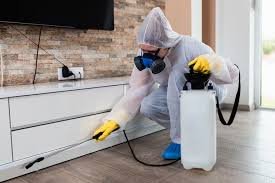
Trusted Termite Inspection Services – Expert Help to Identify Termite Damage Early Termite Inspection Services for homes and offices. Identify termite damage early with expert inspection and safe anti-termite solutions. Book your inspection today. If you’ve ever tapped on a wooden door and heard a hollow sound, or noticed tiny mud tubes near the wall, or found mysterious wood dust on the floor, there’s a high chance termites are already inside your home. Termites are silent pests. They work quietly, deep inside wood, without giving obvious signs until the damage becomes serious or costly to repair. This is exactly why Termite Inspection Services are so important. A professional inspection helps detect termite activity long before the damage becomes visible. Early detection can save you from expensive repairs, major structural damage and stressful pest problems. If you’ve been searching for termite inspection near me, this detailed guide explains everything you need to know—from how inspections work to what signs you should watch for, and how experts protect your home from further damage. Why Termite Inspection Services Matter for Every Home & Office Termites are active throughout the year, especially in warm and humid climates. They feed on wood, paper, furniture, cardboard, and even drywall. Because they do not make noise and mostly live inside hidden tunnels, people often discover the problem too late. Here’s why every home and commercial property needs termite control inspection regularly: 1. Termites Cause Structural Damage They weaken wooden doors, beds, cupboards and structural supports. Left untreated, they can cause extensive property damage. 2. Early Detection Saves Money A timely inspection can prevent major repairs that cost several times more than treatment. 3. Termites Spread Quickly When one area is infested, termites quietly move to other parts of the house. Regular inspection stops this spread. 4. DIY Methods Never Work Surface sprays don’t reach hidden termite tunnels. Only expert tools and techniques can detect termites behind walls and inside wood. 5. Peace of Mind Knowing your home is termite-free gives long-term comfort, especially if you live in a termite-prone area. Signs You Need Termite Inspection Services Immediately If you notice any of the following signs, call for a professional inspection at once: Soft or hollow-sounding wood Small piles of wood dust or powder Mud tubes on walls or along corners Peeling paint that looks like water damage Tiny holes in wooden surfaces Loose or bending door frames Termite wings near windows Furniture that feels weak or cracks easily Even one of these signs means termites may already be inside. Types of Termite Inspections Offered Today A professional company offering Termite Inspection Services performs detailed checks using special tools and expertise. Below are the main types: 1. Pre-Construction Termite Inspection This is done before a building is constructed. Inspectors check soil condition Identify termite-prone zones Recommend chemical barriers Ensure complete foundation protection Builders rely heavily on pre-construction treatments because they ensure long-term termite safety. 2. Post-Construction Termite Inspection For existing homes and offices, experts: Tap wooden furniture Check skirting boards Inspect door frames Examine attic and basement Look for mud tunnels and moisture Check wooden flooring They find early signs that homeowners usually miss. 3. Annual Termite Maintenance Inspection Much like health checkups, annual inspections prevent major infestations. Technicians visit once a year to: Check for new termite activity Inspect treated areas Monitor moisture levels Advise preventive measures This is ideal for homes in high-risk termite zones. 4. Emergency Termite Control Inspection When severe damage is already visible, experts perform an urgent, detailed investigation to find active colonies and recommend immediate treatment. How Professional Termite Inspection Services Work A proper termite inspection involves more than just looking at furniture. Experts use specialized tools and advanced techniques to locate termites even in hidden areas. Here is how it usually works: 1. Visual Examination Inspectors examine: Doors Windows Beds Cupboards Furniture joints Basements Walls and ceilings Electrical fittings They look for mud tubes, wood dust, cracks, hollow sections, and moisture. 2. Tapping & Sound Detection By tapping wood with a special tool, inspectors identify hollow or weak areas—a key sign of termite presence. 3. Moisture Level Check Termites are attracted to moisture. Experts use moisture meters to: Locate damp spots Identify hidden leaks Check walls near bathrooms and kitchens High moisture almost always means higher termite risk. 4. Infrared Scanning (Advanced Inspection) Some companies use thermal imaging cameras to detect: Hidden termite tunnels Movement inside walls Heat signatures from active colonies This offers a deeper level of accuracy. 5. Entry Point Detection Experts look for: Cracks Wall gaps Broken tile edges Soil-to-wall contact Damp wood These are entry routes termites commonly use. 6. Detailed Report & Treatment Plan After the inspection, you receive: A summary of findings Damage assessment Treatment recommendations Estimated cost Prevention tips This helps you make an informed decision. The Difference Between Termite Inspection & Termite Treatment Inspection Detects termites Identifies damage Finds entry points Helps understand the severity Treatment Eliminates termites Stops spread Protects wood Creates chemical/physical barriers Inspection comes first and treatment follows only if needed. Best Practices to Prevent Future Termite Problems You can reduce termite risk by following simple habits: Fix leaking taps and pipes Keep wooden furniture dry Avoid storing cardboard for long periods Seal cracks in walls or floors Use exhaust fans in kitchens and bathrooms Ensure proper ventilation Keep soil away from wooden doors and windows These small steps go a long way. Conclusion – Protect Your Home with Professional Termite Inspection Services Termites are silent invaders. They don’t make noise, they don’t leave obvious marks, and they don’t stop on their own. By the time the average homeowner notices the problem, termites have already caused serious damage. This is why early detection through Termite Inspection Services is so essential. Whether you need a routine yearly inspection or you’re noticing signs of termite activity already, a professional termite check saves time, money and stress. With expert tools, accurate detection and preventive guidance, you can protect your home before the
Termite Control Service in Nagpur: 5 Proven Methods to Protect Your Home

When I received a distress call from a homeowner in Dharampeth last month, I knew exactly what I’d find. The termite control service in Nagpur was desperately needed—their beautiful teak wood dining table had been reduced to a hollow shell. What looked perfectly fine from outside was completely eaten from within. This scenario plays out across Nagpur more often than you’d imagine. Why Nagpur Homes Face Severe Termite Problems Termite control service in Nagpur has become essential rather than optional, and there are specific reasons why our city faces such intense termite activity. Nagpur’s climate creates ideal conditions for termite colonies to thrive. The hot summers with temperatures crossing 45°C, combined with high humidity during monsoons, accelerate termite breeding cycles. I’ve noticed that termite activity peaks between March and June when flying termites swarm to establish new colonies. The soil composition in Nagpur also plays a role. Areas around Ambazari, Seminary Hills, and Sadar have soil types that termites find particularly attractive. The red soil retains moisture well, which termites need to survive. Construction practices sometimes inadvertently invite termites. Many older buildings in Civil Lines and Sitabuldi were constructed without termite barriers. Even newer constructions in areas like Kamptee Road and Hingna sometimes skip proper pre-construction treatment to cut costs—a decision homeowners regret within years. Recognizing When You Need Professional Help Early detection makes termite control significantly more effective and affordable. During my years providing termite control service in Nagpur, I’ve helped hundreds of property owners identify warning signs before major damage occurs. Mud tubes are the most visible indicator. These pencil-thin tunnels appear on walls, foundations, and wooden structures. Termites build these protected highways to travel between their colony and food sources. Check around your home’s foundation, especially near water pipes and in damp areas. Hollow-sounding wood signals termite damage. Tap wooden furniture, door frames, and window sills. If they sound hollow or papery, termites have likely eaten the interior while leaving a thin outer shell intact. Discarded wings near windows, doors, or light fixtures indicate a termite swarm occurred nearby. After mating, termites shed their wings before establishing new colonies. Finding piles of wings means termites are actively colonizing your area. Bubbling or peeling paint that looks like water damage might actually be termite damage. As termites tunnel behind painted surfaces, they create moisture that causes paint to bubble and peel. Clicking sounds coming from walls at night aren’t supernatural—they’re soldier termites banging their heads against wood to signal danger to their colony. This behavior happens when termites sense disturbances. Understanding Different Termite Control Methods Professional termite control service in Nagpur offers several treatment approaches, and choosing the right one depends on your specific situation. Chemical barrier treatment remains the most common method. We create a chemical barrier in the soil around and beneath your property that termites cannot cross. When termites attempt to pass through treated soil, they die. This method works excellently for both prevention and active infestations. I typically use termiticides approved by the Central Insecticides Board, which are safe when applied correctly. The treatment lasts 5-7 years when done properly, though I recommend annual inspections to ensure continued protection. Baiting systems work differently. We install bait stations around your property containing cellulose material mixed with slow-acting poison. Termites feed on the bait and carry it back to their colony, eventually eliminating the entire population including the queen. Baiting systems take longer—typically 3-6 months—but they’re extremely effective and environmentally friendly. This approach works well when you’re searching for “termite control near me Nagpur” and want non-invasive solutions. Wood treatment involves applying termiticides directly to wooden structures. This method protects specific wooden elements like door frames, furniture, and ceiling beams. I often combine wood treatment with soil treatment for comprehensive protection. Herbal pest control Nagpur options have gained popularity recently. These treatments use natural ingredients like neem oil, orange oil, and botanical extracts. While gentler on the environment, herbal treatments require more frequent applications and work best as preventive measures rather than for severe infestations. A family in Ramdaspeth opted for herbal termite control due to health concerns about chemical exposure. We implemented a quarterly herbal treatment schedule combined with strict moisture control measures, successfully protecting their property without harsh chemicals. Pre-Construction vs Post-Construction Termite Control Understanding the difference between these approaches helps you make informed decisions about termite control service in Nagpur. Pre-construction treatment happens during building construction, ideally before the foundation slab is laid. We treat the soil thoroughly with anti-termite chemicals, creating a protective barrier that lasts decades. According to National Building Code guidelines, pre-construction treatment is mandatory for new buildings, though enforcement varies. This treatment involves three stages: treating soil before laying foundation, treating foundation walls and plinth areas, and treating soil around the building perimeter. Pre-construction treatment costs significantly less than dealing with termite damage later—typically ₹8-12 per square foot. If you’re building in termite-prone areas like Koradi Road or near the lakes, never skip this step. I’ve seen brand-new homes develop termite problems within two years because builders avoided pre-construction treatment. Post-construction treatment addresses existing buildings. This process is more complex and expensive because we must work around finished structures. We drill holes in floors and walls to inject termiticide into the soil beneath and around your foundation. Post-construction termite control service in Nagpur typically costs ₹15-25 per square foot depending on accessibility and infestation severity. The treatment requires drilling multiple holes, treating the soil, and then sealing the holes—more labor-intensive but equally effective when done properly. Selecting the Best Termite Control Service Finding reliable termite control near me Nagpur requires evaluating several critical factors beyond just price. Experience matters enormously in termite control. Look for companies with at least 5-7 years of experience specifically in Nagpur. Local experience means understanding which termite species are prevalent in our area and which treatments work best in our soil and climate conditions. Licensing and certifications verify legitimacy. Reputable providers hold proper licenses from local authorities and use chemicals approved by regulatory