
10 Best Pest Control Services in Indore
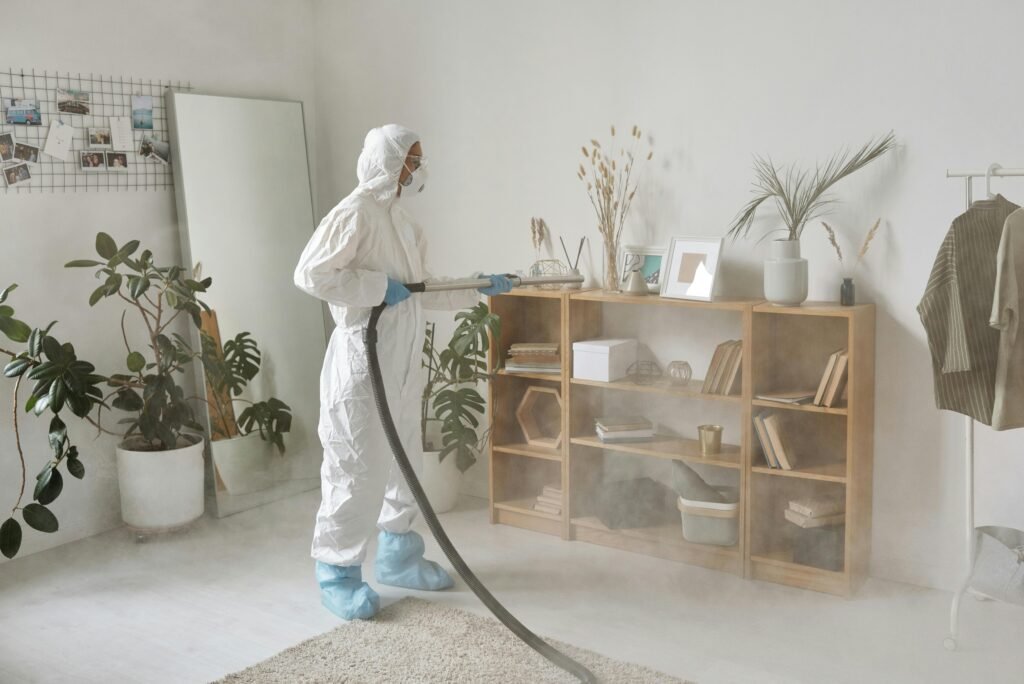
Pest control services in Indore have become essential for every household and business establishment in our rapidly growing city. As someone who has worked closely with property owners across Indore for the past decade, I’ve witnessed firsthand how pest infestations can disrupt daily life and damage valuable property. The good news? With the right approach and professional help, you can reclaim your space from these unwanted invaders. Why Indore Residents Face Persistent Pest Issues Indore’s unique climate and urban landscape create ideal conditions for various pests to thrive. Our city experiences hot summers that drive insects indoors seeking moisture, followed by monsoons that trigger termite swarms and mosquito breeding. I’ve serviced hundreds of homes in areas like Vijay Nagar, Palasia, and Bhanwar Kuan, and each locality presents distinct pest challenges. The dense population in neighborhoods around Rajwada and Sarafa Bazaar means that pest problems spread quickly between connected buildings. Meanwhile, newer developments in areas like Super Corridor face issues due to construction activities disturbing existing pest colonies. Understanding these local factors is crucial when searching for “pest control near me Indore” because generic solutions rarely address Indore-specific challenges. Common Pests That Invade Indore Properties Termites top the list of destructive pests in Indore. During my inspections in older residential areas like Manorama Ganj and Kanadiya Road, I’ve found severe termite damage in wooden structures, documents, and even clothing. These silent destroyers work 24/7, and by the time you notice mud tubes on walls, significant damage may already be done. Cockroaches are another major concern, especially German cockroaches that have developed resistance to common insecticides. They contaminate food, trigger allergies, and spread diseases. Commercial kitchens in the Treasure Island area and residential complexes in Nipania regularly require professional cockroach control interventions. Bed bugs have resurged across Indore, particularly in densely populated areas and paying guest accommodations near colleges. These blood-feeding pests cause sleepless nights and psychological stress. Traditional home remedies rarely work because bed bugs hide in the tiniest cracks and crevices. Rodents pose serious health risks and can chew through electrical wiring, potentially causing fires. Warehouses in the Sanwer Road industrial area and restaurants around Chappan Dukan frequently need rodent management programs. According to the National Pest Management Association, professional pest control reduces health risks by up to 80% compared to DIY methods. The Rising Popularity of Herbal Pest Control Services in Indore Something remarkable has happened over the past five years—herbal pest control Indore services have gained tremendous traction. Parents with young children, pet owners, and health-conscious individuals increasingly prefer plant-based pest control solutions over harsh chemical treatments. Herbal pest control uses natural ingredients like neem extract, eucalyptus oil, citronella, and other botanical compounds. When a family in AB Road approached me worried about their toddler’s safety, we implemented a herbal treatment protocol that effectively eliminated their ant and cockroach problem without any toxic residue. I’ll be honest—herbal methods work best for prevention and mild infestations. Severe termite or bed bug problems might require conventional treatments initially, followed by herbal maintenance. The Environmental Protection Agency’s Integrated Pest Management guidelines support combining methods for optimal results. How to Identify the Best Pest Control Services in Indore Finding reliable pest control services in Indore requires careful evaluation. After observing both excellent and substandard services across our city, I’ve identified key factors that distinguish quality providers. Professional Inspection: The best pest control services never quote prices over the phone. They conduct thorough on-site inspections, identifying pest species, infestation severity, entry points, and conducive conditions. During my inspections, I check moisture sources, structural vulnerabilities, and sanitation issues that contribute to pest problems. Customized Treatment Plans: Cookie-cutter approaches fail because a villa in South Tukoganj has different requirements than a grocery store in Manik Bagh or a hospital in Banganga. Effective pest control services in Indore develop tailored strategies based on property type, pest species, and client preferences. Licensed and Trained Technicians: Verify that the service provider holds proper licenses and uses government-approved products. Trained technicians understand correct chemical concentrations, application methods, and safety protocols. Don’t hesitate to ask about their certifications and experience. Transparent Pricing: Reputable services provide detailed quotations explaining treatment methods, products used, number of visits, and warranty terms. Be cautious of suspiciously low prices—quality pest control requires professional-grade materials and trained personnel. Service Guarantee: The best pest control providers in Indore offer warranties ranging from three months to one year, depending on the pest and treatment type. This guarantee demonstrates confidence in their methods and ensures follow-up support if pests return. Understanding Treatment Costs and Duration Pest control costs in Indore vary based on property size, pest type, and infestation severity. Residential treatments typically range from moderate to premium pricing, while commercial properties require customized quotes. Herbal treatments may cost slightly more due to specialized products, but many clients consider the safety benefits worth the investment. Treatment duration depends on the pest lifecycle. Cockroach control requires 2-3 treatments spaced 15-20 days apart to target adults and newly hatched nymphs. Termite pre-treatment during construction involves extensive soil treatment, while post-construction treatment includes drilling and chemical injection. Bed bug elimination typically needs 2-4 sessions because eggs resist treatment and must be targeted after hatching. Prevention: Your Long-Term Defense Strategy Professional pest control services in Indore provide immediate relief, but prevention ensures lasting results. I always educate clients about maintenance because pest management is a partnership. Maintain impeccable kitchen hygiene—wipe counters daily, store food in airtight containers, and fix leaky taps immediately. Pests need food and water, so eliminating these attractants is fundamental. Dispose of garbage regularly and keep bins covered. Seal entry points around pipes, windows, and doors. Even small gaps allow pest entry. Regular property maintenance—fixing cracks, replacing damaged wood, and ensuring proper drainage—significantly reduces vulnerability. Declutter your space because pests hide in stacked newspapers, cardboard boxes, and unused items. Regular cleaning behind appliances and furniture exposes hiding spots. Making the Right Choice Today Whether you’re dealing with an active infestation or implementing preventive measures, professional pest control services in
Ant Problems: What to Expect Each Season
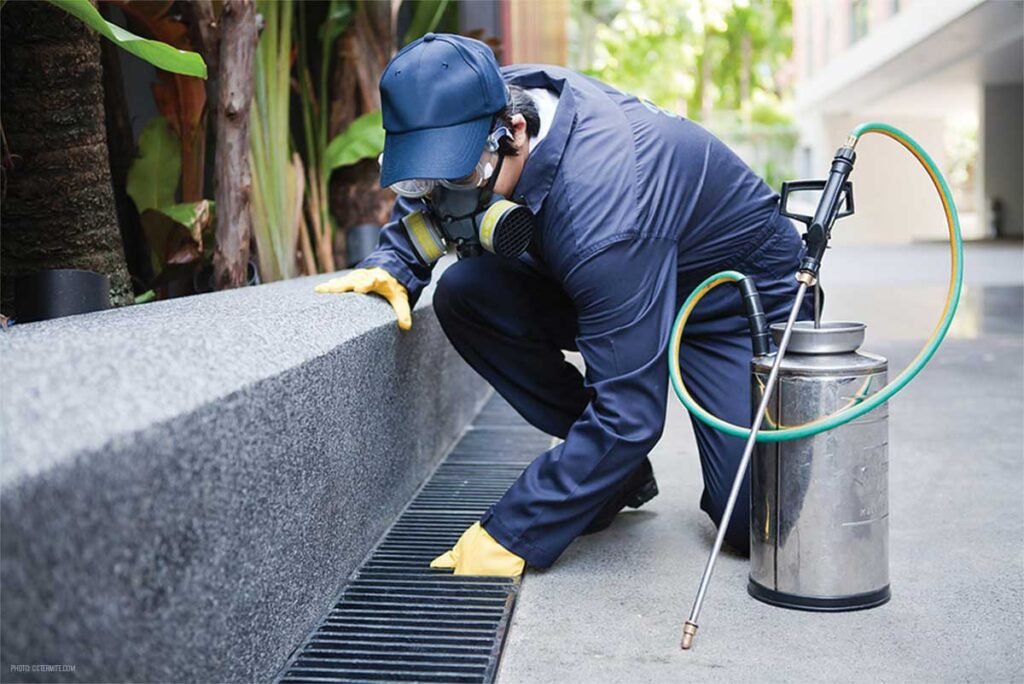
Ant Problems changes dramatically with the weather, and knowing these patterns helps you stay ahead of problems. Different seasons bring different challenges for how to get rid of ants effectively. Preparing for what’s coming works better than reacting after they’ve already invaded. Climate affects when ants become active, where they nest, and what drives them indoors. Your pest control tips strategy should adapt throughout the year to address these changing behaviors. Think of it as seasonal maintenance for your home, just like changing air filters or cleaning gutters. Ant Problems and Indoor Invasions Spring brings warming temperatures that wake ant colonies from winter dormancy. Queens start laying eggs rapidly, and worker ants emerge hungry after months of inactivity. This explains why you suddenly see ant trails in March or April seemingly out of nowhere. Spring rain drives ants indoors seeking dry shelter. Their outdoor nests flood, forcing entire colonies to relocate. Your house becomes attractive refuge, especially basements and lower levels. Kitchen ants prevention during spring means sealing entry points before this migration happens. Watch for scout ants during early spring. These lone explorers search for food sources and nesting sites. Eliminating scouts before they report back to their colony prevents larger infestations. One ant today saves you from dealing with hundreds next week. Summer Heat and Peak Activity Summer represents peak ant season when colonies reach maximum size. Hot weather drives ants indoors searching for water and cooler temperatures. Your air-conditioned home looks perfect to heat-stressed insects. Outdoor activities mean more doors opening and closing, giving ants easy access. Picnic crumbs, spilled drinks, and increased food consumption create more opportunities for ants to find sustenance. Summer requires extra vigilance with cleaning and food storage. Different ant species peak at different times. Carpenter ants swarm in late spring through summer, while pavement ants stay active into fall. Knowing which types common in your area helps target your ant control efforts effectively. Fall Preparation and Winter Invasions for Ant Problems Fall triggers ant survival instincts. As temperatures drop, they frantically gather food to sustain colonies through winter. This explains September and October ant invasions just when you thought the problem was over. Ants seek warm spots for winter nesting. Wall voids, insulation, and areas near heating ducts become prime real estate. Once they settle in for winter, colonies become harder to eliminate until spring. Prevention in early fall beats treatment in winter. Check your home’s exterior in September for cracks and gaps. Seal them before ants start searching for winter homes. This proactive approach to kitchen ants prevention saves considerable hassle during colder months. Winter Challenges and Indoor Colonies Cold weather doesn’t necessarily mean no ants. Indoor colonies remain active year-round in heated homes. You might spot them less frequently because they move slower in cooler temperatures, but they’re still there. Carpenter ants particularly cause winter damage because homeowners don’t expect pest problems during cold months. They quietly nest in walls, weakening structures while you assume they’ve disappeared. Regular inspection matters even when snow’s on the ground. Winter offers the best time for thorough pest control tips implementation. With reduced outdoor activity, focus on sealing entry points, organizing storage areas, and eliminating moisture problems that attract ants year-round. Year-Round Prevention Strategies Successful ant control requires thinking beyond immediate problems to seasonal cycles. Schedule specific tasks for each season: spring sealing, summer vigilance, fall prevention, and winter maintenance. This systematic approach keeps you ahead of ant behavior patterns. Track when you see ants to identify patterns specific to your home and location. If kitchen ants appear every April, start prevention in March. If fall brings invasions, intensify efforts in late summer. Learning your home’s particular rhythms improves how to get rid of ants success. Climate Change and Shifting Patterns Traditional seasonal patterns are changing as weather becomes less predictable. Warmer winters mean ants stay active longer. Unusual rain patterns create unexpected indoor migrations. Flexibility in your ant control approach helps adapt to these shifts. Some regions now experience year-round ant activity where seasons previously limited problems to warmer months. Monitor local pest reports and adjust expectations based on what’s actually happening, not what used to be normal. When Professional Help Makes Sense Seasonal transitions represent ideal times for professional ant control inspections. Spring and fall assessments catch problems early when treatment works best. Professionals spot seasonal patterns you might miss and address them before infestations establish. Understanding seasonal ant behavior transforms how you protect your home. Ant Problems , Anticipating problems based on calendar and weather lets you prevent invasions instead of fighting established colonies. Work with nature’s cycles rather than against them for lasting results.
Top Five Signs You Need Ant Control Right Now

Ants might be small, but their presence in your kitchen can quickly become a big problem. These tiny insects are constantly on the hunt for food and water, and your kitchen offers an all-you-can-eat buffet. If you’ve ever wondered how to get rid of ants and prevent them from invading your home again, this guide will walk you through easy, safe, and effective ant control methods that anyone can follow. Why Are Ants in Your Kitchen? Ants enter homes mainly looking for food, water, and shelter. Kitchens are a prime target because they have plenty of crumbs, sticky spills, and moisture. Once even a few ants find a food source, they release a chemical trail that helps others follow the path, resulting in a large infestation quickly. Knowing this is important because it means that to stop ants, you need to remove both the food and the trails they use to communicate. Step 1: Clean Thoroughly and Regularly The simplest and most effective ant control tip starts with keeping your kitchen spotlessly clean. Wiping down counters after preparing meals, sweeping the floor daily, and promptly cleaning up spills eliminate the food sources ants rely on. Don’t forget hidden spots like under appliances, along baseboards, and inside cabinets. Ants are experts at finding crumbs and tiny bits of food you might miss. Use a mixture of vinegar and water to clean surfaces. Vinegar not only cleans but also removes the scent trails ants leave behind, confusing them so they lose their way. This kitchen ants prevention tip is safe and natural, making it perfect for family homes. Step 2: Seal Food Properly Ants are attracted to sweet, sticky foods like sugar, honey, and syrup, as well as pet food. Always store these items in airtight containers. Using glass or plastic containers with tight lids helps keep food fresh and ants out. Avoid leaving leftovers uncovered or food bags open. Even tiny leaks from containers can attract ants. Also, take out the garbage regularly. Trash bins can become feeding spots for ants if not cleaned and emptied often. Wash recycling items to remove sugary or sticky residue before placing them in bins. Step 3: Eliminate Moisture Sources Moisture is essential for ants, especially in warmer months. Fix any leaking pipes, dripping taps, or clogged drains promptly. Dry out sinks and wipe wet areas after use. If you notice condensation under your kitchen sink or around appliances, make sure to keep these areas dry with towels or fans. By removing not just food but also water, you make your kitchen even less appealing to ants, helping with long-term pest control success. Step 4: Block Entry Points Ants can enter homes through the smallest cracks and gaps. Carefully inspect your kitchen and surrounding areas for such openings. Use weatherproof caulk to seal crevices around windows, doors, and pipes where ants might sneak inside. Check for gaps along baseboards or spaces where electrical wires enter your walls. Blocking these entrances is a crucial part of kitchen ants prevention. It not only reduces current ant problems but stops new ants from invading. Step 5: Use Natural Deterrents and Safe Treatments If ants persist despite cleaning and sealing, natural deterrents offer a family-friendly solution. Sprinkling cinnamon, cayenne pepper, or coffee grounds near entry points confuses ants with strong smells they avoid. Bay leaves placed in your pantry also help keep ants away from stored food. For treatment, ant bait traps are very effective. Ants carry poison-laced bait back to their colony, killing the queen and eventually eliminating the entire nest. Always place bait traps where children and pets cannot reach, and follow product instructions carefully. Step 6: Know When to Call Professionals Sometimes ant infestations get out of hand, especially when ants nest inside walls or other hard-to-reach places. If you follow all these pest control tips but still see ants regularly, professional help may be needed. Pest control experts can identify the ant species, find nests, and use safe yet powerful treatments to eliminate infestations quickly. Experts also help set up long-term prevention plans to protect your home from future Ant Control. Bonus Tips for Ongoing Kitchen Ants Prevention Keep pet feeding areas clean and remove any leftover food after meal times. Don’t leave dirty dishes in the sink overnight. Regularly inspect external parts of your home for ant trails or nests near foundations. Trim tree branches and bushes that touch your house; ants use these as bridges inside. Maintain garbage bins with tight-fitting lids. By using these straightforward ant control strategies, you’ll keep your kitchen safe, clean, and free of ants. Remember, prevention is always easier than cure—so maintain good habits and act quickly at the first sign of ants. A little effort goes a long way toward a pest-free home and peace of mind.