Professional Ant Control Services: Why Your Home Needs Them
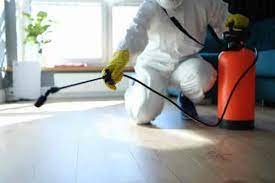
Ants are one of the most frequent pests found in homes, especially in kitchens where they search for food and water. While it may seem tempting to handle ant control yourself using over-the-counter sprays and traps, hiring professional ant control services offers many advantages. Professionals have the skills, knowledge, and tools to eliminate ants safely and effectively while preventing future infestations. This blog explains why trusting experts is often the smartest solution for homeowners struggling with ant problems. Expertise and Accurate Identification One of the biggest benefits of professional ant control services is the expertise technicians bring. Ants come in many species, and each requires a different approach for removal. For example, sugar ants that feast on sweets differ from carpenter ants that damage wooden structures. Professionals can quickly identify the species invading your home and develop a treatment plan that targets their specific behavior and nesting habits. Accurate identification ensures treatments are effective, saving homeowners time and frustration from guesswork or repeated failed attempts. Customized Treatment Plans Every home and infestation is unique. Professionals inspect your property to understand the extent of the ant problem and identify entry points and nesting sites. Based on this, they design a customized ant control plan. This approach targets the entire colony, including hidden queens and larvae, which DIY solutions usually miss. Customized plans are flexible and can be adjusted if needed to improve effectiveness. This thoroughness ensures long-term success rather than short-term fixes. Safe and Effective Use of Treatments Professional pest control providers have access to powerful and safe treatment options that are not available over-the-counter. They know how to apply these products properly to minimize risks to your family, pets, and the environment. Using the right amount and type of pesticide reduces health risks associated with household chemical exposure. Professionals follow strict safety protocols and ensure treatments target ants without leaving harmful residues. Time and Hassle Savings DIY ant control can be time-consuming and frustrating. It involves diagnosing the problem, buying multiple products, applying treatments repeatedly, and monitoring results. Many homeowners lack the experience to address infestations fully, leading to wasted effort and money. Hiring professionals saves time and effort. Experts handle inspections, treatments, and follow-ups efficiently, allowing homeowners to focus on daily life without worrying about ants. Preventing Property Damage and Health Risks Some ant species, especially carpenter ants, cause structural damage by tunneling into wood. Left untreated, they can compromise your home’s integrity, leading to costly repairs. Also, ants can contaminate food, potentially spreading bacteria that cause illnesses. Professional ant control not only eliminates visible ants but also stops these risks by finding and removing nests early. Protecting your home preserves its value and keeps your family safe from health hazards linked to pests. Long-Term Monitoring and Maintenance Many pest control companies offer ongoing monitoring services after treatment. Technicians return for regular inspections and preventive treatments to detect early signs of new ant activity and address them before they become problems. This proactive approach minimizes the chances of reinfestations and saves homeowners from future pest emergencies. Cost-Effective in the Long Run Though professional ant control involves an upfront cost, it often proves more economical than repeated DIY efforts or expensive repairs from pest damage. Early and thorough treatment protects your home and reduces ongoing pest control expenses. Professional services also improve energy efficiency by sealing entry points, which can prevent air leaks and reduce utility bills. What to Expect from Professional Ant Control Services Initial Inspection: A detailed examination of your property to identify ant species, nesting sites, and entry points. Tailored Treatment: Customizable plans using safe and effective products targeting your specific ant problem. Application: Precise application of baits, sprays, or barrier treatments by trained technicians. Follow-Up: Scheduled visits to monitor activity and apply preventive treatments if necessary. Education: Expert advice on preventing future ant problems through home care and sanitation. How Homeowners Can Prepare for Professional Treatments Clear areas around treatment sites if possible. Remove pets and cover fish tanks during applications. Follow any instructions given by technicians about food storage or cleaning before and after service. Ask questions or request detailed information about the process and products used. Conclusion While DIY methods may seem convenient and affordable, professional ant control offers expertise, safety, time savings, and long-lasting results that protect your home and family better. From accurate pest identification to customized treatment and ongoing maintenance, Professional Ant Control Services bring the experience needed to fully solve ant infestations and prevent their return. If ants are invading your kitchen or home, don’t wait until the problem grows. Contact professional pest control services to gain peace of mind and enjoy a pest-free environment.
Essential Pest Control Tips: How Homeowners Can Get Rid of Ants and Keep Them Away
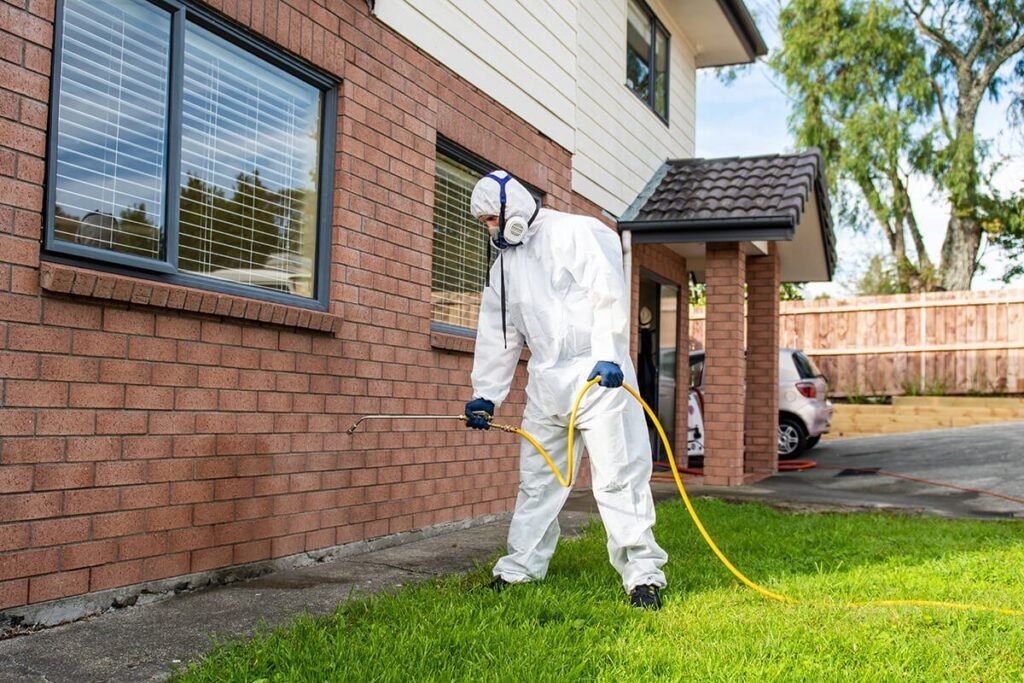
Get Rid of Ants are among the most common pests that invade homes, especially kitchens. While ants may seem harmless, they can contaminate food, cause allergic reactions, and quickly multiply into full-scale infestations. Understanding how to control ants effectively and prevent kitchen ants from returning is crucial for every homeowner. This guide covers practical ant control tips, safe management strategies, and how to keep your home ant-free for the long term. Why Do Ants Invade Homes? Ants enter homes for basic needs: food and water. Kitchens offer constant access to crumbs, spills, sugary residues, and moisture—making them the perfect ant habitat. Once ants find a food source, they leave chemical trails, called pheromones, which guide others in the colony straight to your counters and pantry. The speed and size of infestations grow because ants communicate and work together as a colony. Unfortunately, simply wiping away visible ants is never enough. To win this battle, you need to break their food supply, erase their scent trails, and seal their entry points. Step 1: Clean Diligently and Regularly The most fundamental pest control tip for homeowners is daily cleaning, especially in the kitchen. Wipe counters, tabletops, and stove surfaces after every meal, using a natural cleaner like diluted vinegar or soapy water, which not only cleans but erases the pheromone trails ants follow. Sweep and mop floors at least once a day, paying attention to under appliances and cabinets where crumbs and spills accumulate. Ants find even the smallest food particles irresistible. Don’t leave dishes in the sink overnight, and regularly clean trash bins to eliminate easy feeding spots. Focus on removing the food sources that attract ants. Step 2: Store Food Properly Ants are especially attracted to sweet and sugary foods, but almost anything edible can lure them. Store all food, including bread, cereals, rice, and snacks, in airtight containers made of glass or plastic with tight seals. Avoid leaving pet food bowls out all day; feed pets at specific times and clean up any leftover food immediately. When you store leftovers, cover and refrigerate them promptly to prevent attracting ants. Step 3: Remove Moisture Sources Water is as essential to ants as food. Fix any leaking pipes, dripping taps, or water pooling under sinks immediately. Wipe dry wet surfaces regularly, and avoid leaving sinks full of standing water. If you have indoor plants, avoid overwatering as moist soil attracts ants. Reduce humidity where possible, using fans or dehumidifiers especially during humid months. Step 4: Seal Entry Points Ants can squeeze through cracks as small as a grain of sand. Perform a thorough inspection of your kitchen and home for openings along baseboards, around windows, doors, and where pipes enter walls. Use weather-resistant caulking to seal cracks and gaps. Repair damaged screens and install door sweeps to eliminate ant entry points. Sealing these tiny openings is essential to keeping ants outside. Step 5: Use Safe and Natural Ant Deterrents In addition to cleanliness and sealing, use natural deterrents around your home’s entry points. Sprinkle cinnamon, black pepper, cayenne pepper, or coffee grounds—they disrupt ant scent trails causing them to avoid the area. You can also use vinegar spray to wipe down entry paths regularly. Ants dislike these smells and chemical irritants without exposing your family or pets to harsh insecticides. Step 6: Use Ant Baits for Persistent Problems Ant baits target the colony rather than just the workers you see. Place bait stations where ants travel, but keep them out of reach of children and pets. Ants take the poison back to their nest, gradually eliminating the colony. Follow label instructions carefully and be patient, as colony elimination takes time. Step 7: Know When to Call Professionals If your ant problem persists despite your best efforts, professional pest control services are the next step. Experts identify the ant species, locate nests, and apply treatments safely and effectively. Professionals also provide advice on long-term prevention, including structural changes and safe chemical treatments that homeowners cannot perform. Bonus Tips: Get Rid of Ants Regularly inspect and clean less visible areas: behind appliances, under sinks, and inside pantry corners. Keep firewood and mulch away from the foundation to reduce nesting sites near your home. Trim tree branches and shrubs that touch your house to block ant highways. Monitor your home year-round, especially during spring and summer when ant activity peaks. Maintain regular cleaning routines even if you don’t see ants to prevent new infestations. Conclusion Ant infestations can be frustrating, but they are preventable and manageable with consistent effort. By following these pest control tips—from thorough cleaning to sealing and using natural deterrents—you can reduce ant problems dramatically. When ants do appear, understanding how to get rid of ants effectively will save time, money, and keep your kitchen clean and healthy. Remember, early action and prevention are your best defenses to keeping ants outside where they belong.
Ant Control Guide: How to Get Rid of Ants and Prevent Them
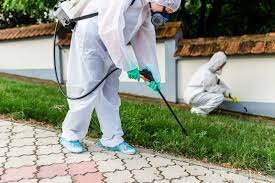
Ant Control Guide Ants in the kitchen can be a serious annoyance, but they are more than just pests; they can affect your health and hygiene if left unchecked. These tiny insects are always on the lookout for food and water, making your kitchen the perfect place to invade. Ants establish trails to share food locations with their colony, making infestations grow fast. But with the right knowledge and tools, you can effectively keep ants from taking over your home. Understanding Why Ants Invade Kitchens Ants enter homes mainly because of food and water availability. Kitchens often have food crumbs, sticky spills, and moisture all day long, which attract ants searching for nourishment. The most common kitchen invaders include sugar ants and pavement ants, which seek sweets and leftovers. Once the first ant finds a food source, it leaves a scent trail called a pheromone, which other ants follow. This leads to large groups of ants invading your kitchen quickly. Therefore, the battle against ants is both about removing food sources and breaking these scent trails. Step 1: Keep Your Kitchen Spotlessly Clean Good ant control starts with cleanliness. Wipe down all kitchen surfaces, including counters, shelves, and tables, after every meal. Use a mild vinegar and water solution or soapy water, which not only cleans but removes the chemical trails ants rely on to find food. Sweep and mop the floors daily to remove crumbs and any spills. Be sure to clean under appliances like the fridge and oven, where food particles can accumulate. Even small bits of food dropped on the floor or behind furniture are an ant’s feast. Step 2: Store Food in Airtight Containers Ants are especially attracted to sugary and sticky foods. Store items like sugar, flour, cereals, and snacks in airtight containers made of glass or plastic. Avoid leaving food open on counters overnight, and keep fruits and vegetables refrigerated if possible. Pet food bowls should not be left out all day. Instead, feed pets at specific times and clean up any leftover food afterward. Keeping your pantry organized and free of spilled food will go a long way in kitchen ants prevention. Step 3: Eliminate Moisture to Deter Ants Moisture attracts ants as much as food does. Ants need water to survive, so be sure to fix leaks under the sink, dry wet surfaces like dishwashers, sinks, and countertops regularly. Houseplants, especially if overwatered, can also contribute to the moisture ants seek, so monitor their watering carefully. Drying damp areas reduces the chances of ants taking shelter and nesting indoors. Step 4: Seal Entry Points and Cracks Ants can squeeze through cracks as small as a grain of sand. Inspect your kitchen and nearby walls for any gaps, including spaces around plumbing lines, baseboards, windows, and door frames. Use caulk or weather stripping to seal these entry points. By blocking ants’ access routes, you reduce the likelihood of future invasions. Step 5: Use Safe and Effective Treatments If ants have already established themselves, natural deterrents like cinnamon, black pepper, and coffee grounds sprinkled near entry points help keep them at bay. For a more targeted ant control solution, ant bait traps are highly effective. Ants carry the bait back to their colony, feeding and eliminating the queen and other ants. Always place traps out of reach of children and pets. Avoid general insect sprays in kitchens, as these can be harmful and only kill the ants you see, not the entire colony. Step 6: When to Call the Experts For persistent or severe infestations, professional pest control services may be necessary. Experts can identify ant species, locate nests, and apply treatments safely and efficiently. Professional pest control also includes advice on long-term prevention and regular inspections, saving you money and stress in the long run. Bonus Pest Control Tips for Homeowners Clean pet feeding areas regularly. Empty and clean kitchen trash cans daily. Avoid leaving dirty dishes overnight. Trim bushes and tree branches away from your house, as ants may use them as bridges indoors. Regularly inspect your home’s exterior for signs of animal or insect activity. By following these proven ant control methods and kitchen ants prevention tips, Ant Control Guide homeowners can effectively keep ants out and maintain a clean, healthy kitchen environment. Prevention and vigilance are the best defense against these persistent pests, and acting quickly at the first sign of ants can save your home from costly damage and discomfort.
Why Professional Ant Control Services Are Worth It.
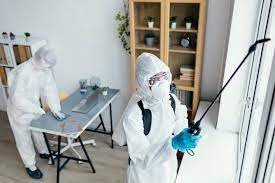
A Homeowner’s Guide Ants are one of the most common pests that invade homes, especially kitchens where food and moisture abound. While many homeowners try DIY solutions, professional ant control services offer advantages that DIY methods cannot match. From safe treatments to long-term prevention, expert pest control ensures your home stays ant-free and healthy. Understanding the Problem: Why Ants Invade Homes Ants enter homes hunting for food, water, and shelter. Kitchens provide a constant supply of crumbs, spills, and moisture which attract ants. Once even a few ants find food, they mark paths with chemical trails (pheromones) attracting more ants from their colony. These trails allow ants to travel quickly between their nest and food source, often resulting in large infestations. Simply killing visible ants with sprays does little because hidden nests remain untouched. This is why professional services are often necessary. The Benefits of Hiring Professional Ant Control Expertise in Ant Species and Behavior Many ants look alike but require different treatment strategies. For example, carpenter ants damage wood while pavement ants mostly scavenge for leftovers. Professionals identify the species precisely and tailor treatments to their habits and nests. Customized and Comprehensive Treatments Professional pest controllers inspect your property comprehensively to locate nests, entry points, and problem areas. They create treatment plans that address the entire colony, not just surface ants, combining baits, sprays, and barriers safely and effectively. Safe Methods that Protect Your Family Experts use products approved for residential use and apply them following strict safety guidelines. This reduces risks of harmful chemical exposure to your family and pets, unlike many store-bought sprays that can be misused. Time and Effort Saved Attempting to control ants yourself takes time and trial and error. Hiring professionals lets you delegate this burden. Technicians manage the whole process, from inspection to treatment and follow-up, giving you peace of mind. Long-Term Prevention and Monitoring Many pest control companies offer maintenance services, visiting regularly to monitor ant activity and apply preventive treatments. This proactive approach stops infestations before they start, saving you money and hassle. What to Expect with Professional Ant Control Services Inspection: Technicians assess your home to find ant species, nests, and entry points. Treatment: Use of appropriate baits and insecticides targeting the full colony. Exclusion: Recommendations and sealing of entry points for lasting protection. Follow-Up: Scheduled visits to ensure the problem does not return. Advice: Tips on home cleanliness and habits to deter ants naturally. How Much Do Professional Ant Control Services Cost? Costs vary by infestation severity, home size, and region. Basic ant treatments can start around Rs. 700 to Rs. 1400 for small apartments and increase with larger properties or intensive infestations. Although initial costs are higher than DIY options, professionals save money long-term by solving problems fully and avoiding repeat treatments. DIY vs. Professional Ant Control: Which to Choose? DIY methods like sprays, vinegar, and poison baits can be useful for minor ant issues. However, these often only kill visible ants and fail against large nests. Professional services provide thorough identification, targeted treatments, and safety, making them the best choice for significant or persistent infestations. If ants keep coming back despite your best efforts, calling experts sooner rather than later prevents bigger problems. Practical Pest Control Tips for Homeowners Along with professional treatment, maintain ant control by: Cleaning kitchen surfaces regularly to remove crumbs and spills. Storing all food in sealed containers. Fixing leaks and drying wet areas. Regularly taking out garbage and cleaning bins. Sealing cracks and small openings around windows and doors. Using natural deterrents like cinnamon or peppermint oil as added protection. Conclusion Professional ant control services combine expert knowledge, safe products, and proven methods to rid your home of ants effectively. They save time, reduce health risks, and provide peace of mind with long-term solutions. Combined with simple home care tips, professional help protects your kitchen and entire home from ant invasions. If you’re struggling with ants that don’t go away, contacting expert pest control is a wise investment in your home’s comfort and Ant Control Services safety.
Natural Ways to Keep Ants Out of Your Home
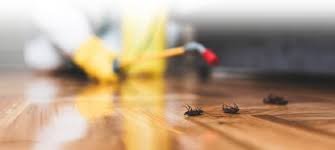
Store-bought ant sprays fill your house with chemicals that stick around long after you spray them. Kids crawl on floors, pets lick their paws, and everyone breathes the air where these products linger. Natural methods let you handle how to get rid of ants without worrying about toxins affecting your loved ones. Nature provides powerful solutions that work with your home’s ecosystem instead of against it. These approaches take slightly longer than chemical blasts, but they’re safer, often cheaper, and sometimes more effective long-term. Plus, ants don’t build resistance to natural deterrents the way they do with synthetic pesticides. Pantry Ingredients That Repel Ants Your kitchen cabinets already contain effective ant control tools. Cinnamon powder creates barriers ants refuse to cross—sprinkle it along windowsills, doorways, and anywhere you spot them entering. Black pepper works similarly, disrupting their scent trails with its strong smell. Bay leaves tucked into pantry shelves, flour containers, and sugar jars keep ants away from dry goods. They hate the scent but it’s completely safe for your family. Coffee grounds scattered around outdoor entry points double as garden fertilizer while deterring ants from approaching your foundation. Vinegar Solutions for Immediate Action Mix equal parts white vinegar and water in a spray bottle for the most versatile natural pest control tips solution. Spray it directly on ants to kill them, wipe counters to remove scent trails, and mist entry points to prevent new invasions. The smell disappears quickly for humans but disrupts ant communication for hours. Clean floors, cabinets, and baseboards with this mixture weekly as part of your kitchen ants prevention routine. It costs pennies compared to commercial cleaners and serves multiple purposes beyond ant control. Add a few drops of peppermint oil to make it even more effective. Essential Oils That Work Peppermint oil packs serious ant-repelling power. Mix ten drops with water in a spray bottle and apply around doors, windows, and problem areas. Ants detect the strong menthol scent from far away and avoid treated zones. Refresh the spray every few days to maintain effectiveness. Tea tree, lemon, and eucalyptus oils also work well. Soak cotton balls in your chosen oil and place them in cabinets, under sinks, and near trash cans. This creates invisible barriers while making your home smell fresh. Replace cotton balls weekly or when the scent fades. Diatomaceous Earth for Serious Problems Food-grade diatomaceous earth sounds fancy but it’s just fossilized algae ground into powder. It feels soft to humans but its microscopic sharp edges cut through ant exoskeletons, causing them to dehydrate. Sprinkle thin lines along baseboards, in cracks, and around outdoor foundations. This natural ant control method works slowly but effectively, killing ants that walk through it. The powder stays active until it gets wet, so reapply after cleaning or rain. Keep it away from areas where pets or kids might inhale large amounts, though it’s non-toxic. Citrus Peels as Deterrents Don’t throw away orange and lemon peels—ants despise citrus. Rub peels along countertops, windowsills, and entry points, leaving the natural oils behind. You can also blend peels with water, strain the mixture, and use it as a spray. Dry citrus peels and place them in pantry shelves or near problem areas. The smell lasts weeks and freshens your space while keeping ants out. This kitchen ants prevention trick uses what you’d normally trash, making it completely free. Borax Bait That Eliminates Colonies Mix equal parts borax and powdered sugar with a bit of water to form a paste. Place small amounts on cardboard pieces near ant trails but away from kids and pets. Ants carry the sweet mixture back to their colony, where it slowly eliminates the entire nest. This method takes patience—you might see more ants initially as they gather the bait. Don’t kill these workers; they’re delivering the solution to the source of your problem. After a week or two, the colony collapses and your ant problem disappears. Maintaining an Ant-Free Environment Naturally Natural pest control tips require consistency. Ways to Keep Ants Out Unlike chemical sprays that work immediately then fade, natural methods need regular application to maintain protective barriers. Set a weekly routine for refreshing deterrents and checking entry points. Combine multiple approaches for best results. Use vinegar for daily cleaning, essential oils for prevention, and diatomaceous earth for problem spots. This layered strategy addresses how to get rid of ants from multiple angles without introducing toxins into your living space. Nature provides everything needed to keep your home ant-free safely. These methods protect your family while respecting the environment and costing less than commercial products. Start with one or two approaches that fit your lifestyle and expand from there.Ways to Keep Ants Out